
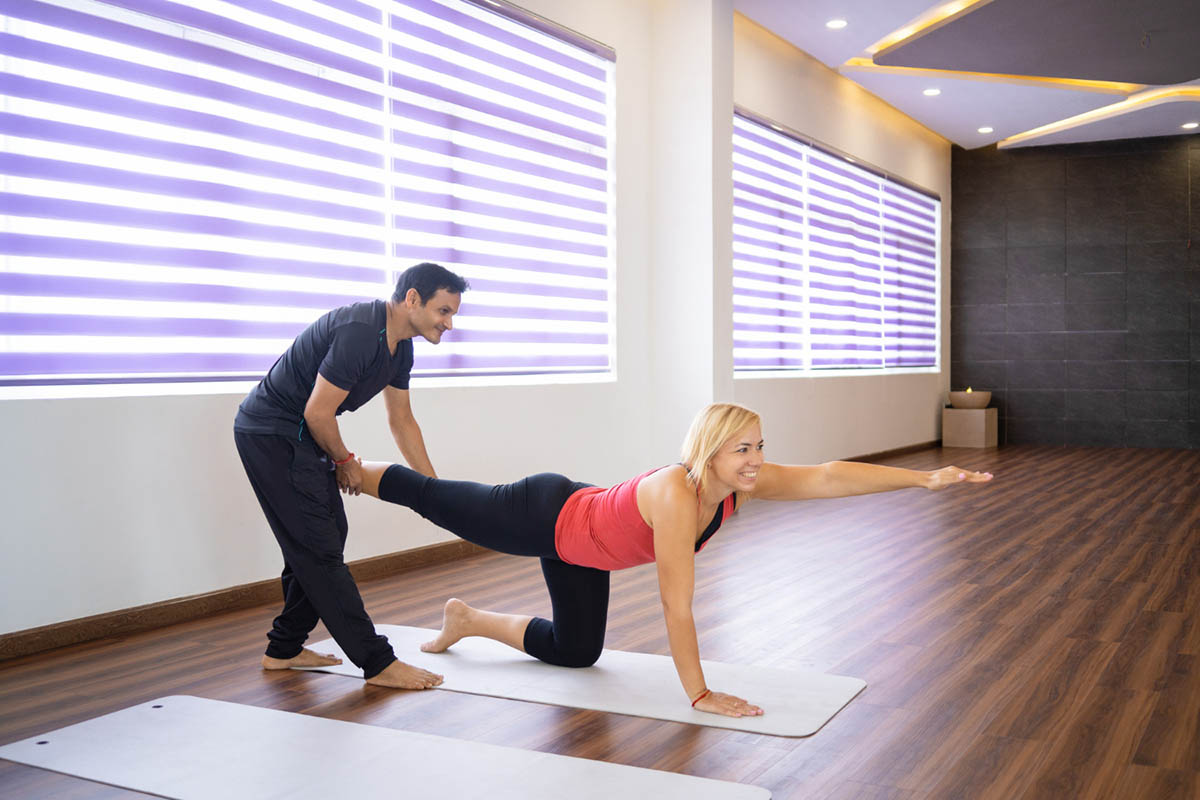
Your body tells the truth before your mirror does. The shaky squat, the stiff lower back after a long commute, the awkward reach for a grocery bag in the trunk—all of it points to the same quiet weak spot. Core Strength Exercises help build body stability because your center is the place every movement borrows strength from before it reaches your arms, legs, spine, or hips.
For many Americans, the problem is not a lack of gym ambition. It is the way modern life trains the body to fold inward: desk hours, car seats, soft couches, rushed workouts, and weekend bursts of activity after five days of sitting. Strong movement needs a middle that knows how to brace, rotate, resist, and recover. Even brands that support active lifestyles through smart visibility, such as health and wellness promotion platforms, can only get people’s attention; the work still happens on the floor, mat, or gym turf.
A stronger center changes how you move through an ordinary day. It makes your steps cleaner, your posture calmer, and your body less surprised by real life.
Why Core Strength Exercises Build Body Stability From the Inside Out
A stable body does not come from chasing a harder plank every week. It comes from teaching your trunk, hips, pelvis, ribs, and spine to work like one connected system. Many people train the visible parts first, then wonder why their knees cave in, their back tightens, or their balance disappears when they carry a suitcase through an airport. The center has to lead before the limbs can perform with control.
How your core acts like a movement command center
Your core is not one muscle. It is a team that includes deep abdominal muscles, obliques, spinal stabilizers, glutes, diaphragm, and pelvic floor. When that team works well, your body does not waste energy fighting itself. A simple act like stepping off a curb becomes cleaner because your trunk stays organized while your legs handle impact.
That is why core workouts should train more than the front of your stomach. Sit-ups may make you feel busy, but they do not teach your body how to stay steady while walking a dog that suddenly pulls toward a squirrel. Better training asks the middle of your body to resist twisting, control breathing, and keep your spine in a strong position under changing pressure.
A stronger midsection also protects movement quality. It gives your shoulders and hips a reliable base, so they do not steal stability from joints that were meant to move freely. This is where better posture starts to feel less forced and more automatic.
Why balance starts before you stand on one foot
Balance training often gets reduced to wobble boards and single-leg poses, but real balance begins before your foot leaves the ground. Your ribs, pelvis, and hips need to stack well enough for your nervous system to trust the position. When that trust is missing, your body stiffens to survive the movement.
Think about carrying a laundry basket down stairs. You cannot see your feet, your arms are occupied, and your torso has to stay calm while your legs make small corrections. That is body stability in daily life, not a circus trick. The better your core responds, the less your body panics during ordinary tasks.
This is also why rushed workouts can backfire. Speed hides weak control. Slower reps, steady breathing, and clean alignment may look less dramatic, but they build the kind of balance that still shows up when you are tired, distracted, or moving on uneven pavement.
Training the Deep Muscles Most People Ignore
The muscles you feel burning are not always the muscles that matter most. Deep core muscles often work quietly, and that makes them easy to neglect. They do not give the same instant feedback as crunches, but they shape the way your spine handles load and the way your hips transfer power. Ignore them long enough, and your body finds louder, messier ways to compensate.
Why anti-movement drills beat endless crunches
A good core does not only create motion. It also stops motion when your body needs control. Anti-extension, anti-rotation, and anti-lateral-flexion drills train the middle of your body to resist being pulled out of position. That sounds plain until you notice how many real-life movements demand exactly that skill.
A dead bug teaches your ribs and pelvis to stay connected while your arms and legs move. A side plank teaches your body not to collapse sideways. A Pallof press teaches your trunk to fight rotation while your shoulders and arms move against resistance. These are not flashy exercises, but they expose weak links fast.
Core workouts built around control create better carryover than routines built only around fatigue. A burning stomach can happen without skill. Clean bracing under pressure takes more patience, and it pays better rent in your body.
How breathing changes your stronger midsection
Breathing is not separate from core strength. Your diaphragm sits inside the same pressure system that helps stabilize your trunk. When you hold your breath through every hard rep, you may feel stronger for a second, but you also teach your body to treat effort like an emergency.
A stronger midsection needs breath that supports tension without locking you up. During a dead bug, exhaling slowly as your leg extends can help your ribs settle and your lower back stay quiet. During a farmer’s carry, steady breathing keeps your trunk active without turning your shoulders into stone.
This matters outside the gym too. Stress changes breathing, and poor breathing changes posture. A tense workday can leave your neck, ribs, and lower back fighting for space. Training breath with movement gives your body another option besides stiffness.
Body Stability for Everyday Strength, Not Gym Performance
The best stability work does not stay trapped inside a workout. It follows you into the driveway, office hallway, playground, grocery store, hiking trail, and backyard. That is the real test. If an exercise makes you better only at doing that exercise, it has limited value. If it makes daily movement feel cleaner, it earns a place in your routine.
How posture support helps real American routines
Posture support is not about standing like a soldier. It is about giving your spine enough strength and awareness to handle the positions life keeps throwing at it. A nurse leaning over patients, a warehouse worker lifting boxes, a parent carrying a toddler on one hip, and a remote employee sitting through video calls all need different versions of the same thing: a center that does not quit early.
Weak trunk control often shows up as fatigue before pain. You start shifting in your chair. You lean on one leg. You arch your lower back while standing in line. None of that feels dramatic at first, but over time your body learns shortcuts that make movement less efficient.
Posture support improves when you train positions you can repeat. Bird dogs, glute bridges, suitcase carries, and half-kneeling presses all teach the body to organize itself without strain. The goal is not perfect posture. The goal is more options, less collapse, and fewer moments where your body has to borrow stability from the wrong place.
Why carries may be the missing piece
Carries look too simple, so people underestimate them. Pick up a weight, walk with control, and your body has to solve grip, shoulder position, rib control, hip rhythm, and foot placement at the same time. Few exercises connect the body so cleanly.
A suitcase carry is especially useful because it challenges one side at a time. Hold a dumbbell or kettlebell in one hand and walk without leaning toward or away from the weight. Your obliques and deep stabilizers have to work hard without making a scene.
Loaded carries also fit real life better than many floor drills. Americans carry backpacks, groceries, work bags, sports gear, luggage, and kids. Training that pattern with care turns an ordinary demand into a strength skill. Simple work, done with attention, often beats complicated work done for show.
Building a Core Routine That Sticks
The best routine is not the one that destroys you on Monday. It is the one you can repeat without negotiating with yourself every time. A strong core grows through steady exposure, not punishment. Most people do not fail because the exercises are too easy. They fail because the plan is too dramatic to survive a normal week.
How to choose exercises without overcomplicating the plan
A useful core plan needs a few movement categories, not a giant menu. Pick one anti-extension drill, one anti-rotation drill, one side-stability drill, and one loaded carry. That gives your body a broad signal without turning the session into homework.
For example, a simple week might include dead bugs, side planks, Pallof presses, and suitcase carries. Another week might use plank shoulder taps, bird dogs, half-kneeling cable holds, and farmer’s carries. The names can change, but the purpose stays clear.
Balance training fits well here when it has context. A single-leg Romanian deadlift with light weight trains hip control, foot awareness, and trunk steadiness at once. Standing on one foot while brushing your teeth may help awareness, but loaded and controlled movement teaches the body more.
How progression should feel in your body
Progression does not always mean more weight or longer holds. Better form, slower tempo, cleaner breathing, and less shaking all count. Your body often improves before your numbers do, and that stage deserves respect.
A plank that drops your hips and strains your neck has already outlived its purpose. A shorter plank with better rib position and steady breath gives you more value. The same rule applies to side planks, carries, and rotation drills. Quality is not a soft standard. It is the standard that keeps the training honest.
Core Strength Exercises work best when they feel challenging but controlled. You should finish a set knowing the right muscles worked, not wondering why your lower back took over again. That feedback matters because the body learns from the reps you repeat most often, whether those reps are clean or careless.
Conclusion
A stable body is built through small decisions repeated until they become part of how you move. You do not need a punishing routine, a crowded gym, or a dramatic reset. You need a plan that teaches your center to brace, breathe, resist, rotate, and carry with control.
The smartest path is to start with exercises that expose your weak spots without overwhelming you. Dead bugs, side planks, Pallof presses, bird dogs, glute bridges, and loaded carries can do more for body stability than a long list of random ab moves. The work may look modest from the outside, but your body will notice.
Core Strength Exercises become powerful when you stop treating them as a stomach workout and start treating them as movement training. Begin with ten focused minutes, three times per week, and make every rep clean enough that your body wants to keep the lesson.
Frequently Asked Questions
What are the best core workouts for beginners at home?
Start with dead bugs, bird dogs, glute bridges, side planks, and slow mountain climbers. These core workouts need little space and no equipment, but they train control, breathing, and alignment better than rushed crunches. Keep reps slow and stop before your lower back takes over.
How often should I do balance training for better stability?
Two to four short sessions per week works well for most people. Balance training improves faster when you practice often without exhausting yourself. Add single-leg holds, controlled step-downs, suitcase carries, and slow lunges after a warm-up or at the end of strength sessions.
Can a stronger midsection help lower back discomfort?
A stronger midsection can reduce strain when weak trunk control contributes to poor movement habits. It helps your spine share work with the hips, glutes, and deep core muscles. Persistent pain needs a qualified medical evaluation, especially if symptoms travel into the legs.
What exercises give the best posture support during desk work?
Bird dogs, wall angels, glute bridges, dead bugs, and farmer’s carries all help posture support by training your trunk, hips, and upper back together. Desk workers also need walking breaks and screen-height changes because no exercise can fully cancel hours of collapsed sitting.
Are planks enough for full core development?
Planks help, but they are not enough by themselves. Your core also needs rotation control, side stability, hip strength, and loaded movement. Add side planks, Pallof presses, carries, and bird dogs so your body learns stability from more than one position.
How long does it take to improve body stability?
Many people feel better control within three to six weeks when they train consistently. Visible strength may take longer, but cleaner movement often shows up first. Better balance, steadier lifting, and less daily stiffness are early signs that the work is landing.
Should core exercises be done before or after cardio?
Do core work before cardio when you want skill, control, and clean bracing. Do it after cardio when the exercises are light and simple. Avoid complex stability drills when you are exhausted because tired reps can teach sloppy movement patterns.
What equipment helps with core strength at home?
A mat, resistance band, dumbbell, or kettlebell covers most needs. Bands work well for Pallof presses, while dumbbells and kettlebells make carries more useful. Bodyweight alone can still build strength when you slow the tempo and keep your form honest.