
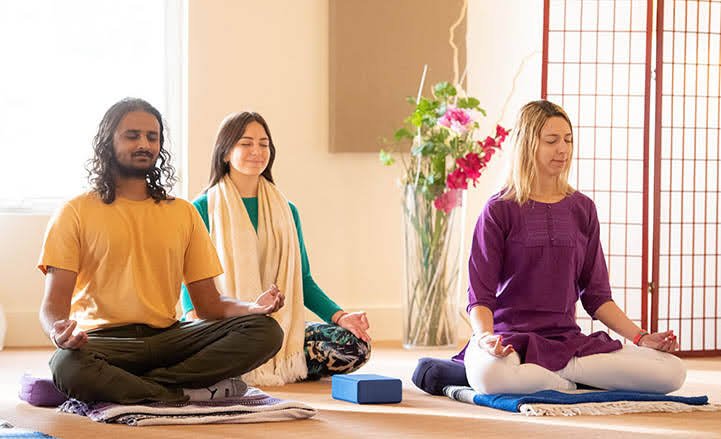
Your body keeps the score of a loud life. Long commutes, late emails, medical bills, family pressure, and the constant buzz of screens can leave your system acting as if danger is always nearby. Relaxation Techniques help interrupt that pattern by giving your body repeated proof that it can stand down without losing control. That matters because stress is not only a mood problem; it can show up in sleep, digestion, muscle tension, focus, and daily patience. The CDC recommends healthy stress habits such as deep breathing, stretching, meditation, outdoor time, journaling, and making time to unwind.
For Americans trying to live with more steadiness, nervous system care should not feel like another performance project. You do not need a silent house, an expensive retreat, or a flawless morning routine. You need small practices that fit into a normal Tuesday. A helpful resource culture, including wellness publishers and lifestyle platforms, can make these ideas easier to share, but the real work happens in ordinary moments: before a meeting, after traffic, during a lunch break, or before bed.
Relaxation Techniques That Teach the Body Safety
Nervous system balance starts when your body receives clear signals that it is not under attack. The National Center for Complementary and Integrative Health describes relaxation practices as ways to bring on the body’s relaxation response, often marked by slower breathing, lower blood pressure, and a reduced heart rate. That shift does not happen because you tell yourself to calm down. It happens because your body gets a physical cue it can trust.
Deep Breathing for Daily Stress Relief
Breathing works because it gives you something direct to adjust. You cannot talk your heart rate into settling during a tense work call, but you can slow your exhale. That small change sends a quieter message through the body.
A practical method is simple: inhale through the nose for four counts, then exhale for six. Repeat for two or three minutes. The longer exhale matters because it stops the breath from becoming another form of effort. Many people breathe too hard when they try to relax, then wonder why they feel lightheaded.
The best time to practice is not only during panic. Try it while waiting in a grocery line, sitting in a parked car, or standing near the coffee maker before the house wakes up. The body learns by repetition, not drama.
Progressive Muscle Relaxation for Physical Tension
Muscle tension can hide in plain sight. Shoulders climb toward the ears, the jaw locks, the stomach tightens, and the hands grip a phone as if it owes money. Progressive muscle relaxation trains you to notice that pattern before it becomes your normal posture.
Start at the feet and tense one muscle group for a few seconds, then release it. Move upward through the calves, thighs, hands, arms, shoulders, and face. The goal is not to squeeze hard. The goal is to feel the contrast between holding and letting go.
This practice suits people who say meditation “doesn’t work” for them. Some minds need the body to lead. Once the muscles soften, the mind often stops fighting so hard.
Building Calm Into a Busy American Routine
A balanced nervous system needs rhythm more than perfection. Many people in the United States live inside schedules that reward speed: school drop-offs, long shifts, side gigs, inboxes, and errands stacked into every open space. Calm will not survive if it only exists on vacation.
Morning Grounding Before the Day Takes Over
Morning stress often begins before your feet hit the floor. A phone alarm becomes a news feed, a weather check becomes an email check, and suddenly your nervous system is taking instructions from everyone except you.
A better start can take five minutes. Sit on the edge of the bed, place both feet on the floor, and take ten slow breaths before opening messages. Name one thing you can control today and one thing you will not carry before breakfast.
This is not a soft ritual. It is a boundary. When you choose the first signal your body receives, you change the tone of the next hour.
Evening Wind-Down for Better Sleep Signals
Sleep does not begin when your head touches the pillow. It begins when the body starts receiving cues that the day is ending. Bright screens, late work messages, heavy meals, and mental replay keep the system alert even when you feel tired.
Create a short closing routine. Dim lights, lower noise, stretch your neck and hips, and keep the phone away from the bed for the last stretch of the night. MedlinePlus notes that chronic stress can affect both body and mind, and relaxation exercises may help manage stress and ease its effects.
The counterintuitive part is that sleep improves when you stop chasing it. Your job is not to force sleep. Your job is to make wakefulness less stimulating.
Mind-Body Practices That Strengthen Emotional Control
Nervous system balance is not about becoming calm all the time. That would be fake, and honestly, not useful. The better goal is recovery: feeling stress rise, noticing it sooner, and returning to steadiness without making the moment worse.
Mindfulness Without Overthinking It
Mindfulness has been packaged so many ways that it can sound more complicated than it is. At its core, it means paying attention to what is happening without turning every feeling into a verdict.
Try this during a tense moment: name five things you see, four things you feel, three things you hear, two things you smell, and one thing you taste. This pulls attention away from mental replay and back into the room. The body often settles when the mind stops time-traveling.
NCCIH reports that meditation and mindfulness have been studied for several health-related uses, though results can vary by condition and study quality. That is a useful reminder. Mindfulness is a tool, not magic.
Gentle Movement for Nervous System Balance
Stillness is not the only path to calm. For many people, sitting still after a stressful day feels like being trapped with a loud mind. Gentle movement gives stress somewhere to go.
Walking after dinner, slow yoga, tai chi, or basic stretching can help the body complete the stress cycle. The CDC also recommends physical activity, healthy meals, sleep, hobbies, and relaxation practices as part of emotional well-being.
The key is to avoid turning movement into punishment. A ten-minute walk around the block can regulate you better than an intense workout done from self-disgust. Your body knows the difference.
Creating a Personal Calm Plan That Lasts
A lasting calm plan should fit your real life, not your fantasy life. The plan that works for a parent in Ohio, a nurse in Texas, a college student in California, and a remote worker in Florida will not look the same. The practice has to match the pressure.
Choosing Practices Based on Your Stress Pattern
Different stress patterns need different tools. If your stress shows up as racing thoughts, breathwork and grounding may help. If it shows up as tight muscles, progressive relaxation or stretching may work better. If it shows up as irritability, movement may burn off the charge before words come out sideways.
Pick one practice for the body, one for the mind, and one for your environment. For example: slow breathing, a two-minute grounding exercise, and a phone-free bedtime window. That small mix covers more ground than a long routine you abandon by Thursday.
The mistake is copying someone else’s calm. Your nervous system has its own history, pace, and triggers. Respect that, and your plan becomes easier to keep.
Knowing When Support Matters
Self-care has limits, and pretending otherwise helps no one. If stress comes with panic attacks, trauma symptoms, chest pain, fainting, severe insomnia, or thoughts of self-harm, professional support matters. Relaxation habits can support care, but they should not replace it.
Talk with a licensed mental health professional or medical provider when symptoms interfere with work, relationships, sleep, or safety. That step is not failure. It is maintenance with better tools.
Relaxation Techniques become most powerful when they stop being emergency tricks and become daily signals of safety. Choose one small practice today, repeat it for a week, and let your body learn that calm is not a reward for finishing everything. It is the ground you return to while life keeps moving.
Frequently Asked Questions
What are the best relaxation techniques for nervous system balance?
Slow breathing, progressive muscle relaxation, mindfulness, gentle stretching, and short walks are strong starting points. The best choice depends on how stress appears in your body. Tight muscles often respond well to release work, while racing thoughts often need grounding.
How long does it take relaxation techniques to work?
Some people feel a small shift within minutes, especially with slower breathing or muscle release. Long-term change takes repeated practice. Your nervous system learns through pattern, so short daily sessions usually work better than rare long sessions.
Can deep breathing calm the nervous system quickly?
Slow breathing can help the body move away from a stress state, especially when the exhale is longer than the inhale. Keep the breath gentle. Forcing deep breaths can create tension, which defeats the purpose.
Are relaxation exercises useful before sleep?
Evening relaxation can help your body recognize that the day is ending. Dim lights, quiet stretching, breathwork, and less screen time can create clearer sleep signals. The goal is to reduce stimulation, not pressure yourself to fall asleep instantly.
What relaxation practice is best for people who hate meditation?
Progressive muscle relaxation, walking, stretching, or guided breathing may feel easier than seated meditation. Many people need a body-based practice before quiet attention feels possible. Stillness is not the only path to calm.
Can relaxation techniques help with anxiety?
Relaxation practices may help manage stress and anxious feelings, but they are not a full treatment for every person. Ongoing anxiety, panic attacks, or symptoms that disrupt daily life deserve support from a qualified professional.
How often should I practice relaxation for better results?
Daily practice works best, even when it lasts only five minutes. Consistency matters more than length. Your body responds to repeated cues, so a short routine you keep is stronger than a perfect routine you quit.
What is the easiest way to start nervous system care?
Choose one practice and attach it to something you already do. Breathe slowly after brushing your teeth, stretch after work, or take a short walk after dinner. Small routines last because they do not demand a new identity.