
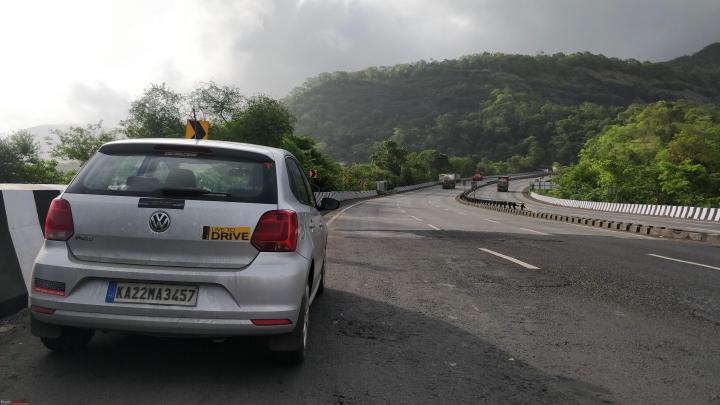
A long drive can expose every lazy habit you ignored at home. The coffee spill in the cup holder, the half-low tire, the phone charger buried under receipts, the vague “we’ll figure it out” route plan—all of it shows up once the miles stop being cute. Road Trip Preparation is not about turning your car into a rolling command center. It is about removing the small problems that turn into big delays when you are two states away from your normal mechanic. For American drivers, that matters even more because distance changes fast here. A quick weekend drive can stretch across rural highways, mountain grades, toll roads, heat waves, dead signal zones, and long exits with nothing but gas pumps and vending machines. Smart planning also helps you enjoy the trip instead of babysitting problems from the front seat. A good travel planning mindset starts with one simple idea: the trip begins before the engine starts.
Road Trip Preparation That Begins With the Car, Not the Map
The route may look exciting on your phone, but the vehicle decides whether the drive feels calm or chaotic. A shiny playlist will not help when the dashboard throws a warning light outside Amarillo or your wipers smear rain across I-95. Start with the machine carrying you, because every other plan depends on it.
What should you check before long distance driving?
A real vehicle inspection starts with the boring stuff drivers love to delay. Check tire pressure when the tires are cold, not after the car has been rolling for an hour. Look at the tread, sidewalls, and spare tire too. A spare with no air is decoration, not protection.
Fluids deserve the same plain attention. Engine oil, coolant, brake fluid, windshield washer fluid, and transmission fluid each play a role that becomes louder on longer routes. Heat, hills, traffic, and high-speed cruising put steady pressure on parts that short errands barely test.
Lights matter more than many drivers admit. Brake lights, headlights, turn signals, hazard lights, and license plate lights help other people read your moves before they become guesses. A $6 bulb can prevent a stop, a ticket, or a rear-end scare in heavy evening traffic.
How does a road trip checklist prevent expensive problems?
A road trip checklist works because memory gets sloppy when excitement takes over. You may remember the cooler and forget the insurance card. You may pack snacks and miss the tire inflator. The list does not make you cautious; it makes you less dependent on luck.
Build the list around problems, not categories. Instead of “car stuff,” write what you would need if a tire lost air, a child got carsick, your phone died, or your hotel check-in changed. That tiny shift turns packing into prevention.
Keep the final list short enough that you will use it. Driver’s license, registration, insurance, medications, chargers, water, first-aid basics, tire tools, jumper cables, cash, and a printed backup route cover more real-world trouble than a trunk full of random gear.
Route Planning Should Leave Room for Real Life
Once the car is ready, the next mistake is pretending the map knows your body. Navigation apps estimate movement, not patience, hunger, weather stress, bathroom breaks, construction fatigue, or the way a tired driver starts missing signs. A better route gives you room to be human.
Why should travel safety shape your driving schedule?
Travel safety starts with timing, not panic. Driving through a major city at 5:30 p.m. can add more stress than an extra 40 miles on a quieter road. A route that looks shorter may punish you with stop-and-go traffic, aggressive lane changes, and late arrivals.
Plan your hardest driving during your sharpest hours. Some people handle dawn starts well. Others turn into ghosts before sunrise. Be honest about your rhythm, because tired confidence is still tiredness. Long distance driving rewards drivers who know when their attention dips.
Breaks should be scheduled before you need them. Waiting until everyone feels stiff, hungry, and irritable turns a stop into damage control. A 10-minute walk at a rest area can reset the mood of the whole car.
What makes a route plan stronger than phone navigation alone?
Phone navigation is useful, but it should not be the only brain in the car. Dead zones still exist across wide parts of the United States, especially in deserts, mountains, forests, and rural stretches. Download offline maps before leaving home.
Check road conditions through state transportation sites when the route crosses snow zones, wildfire areas, construction corridors, or flood-prone highways. The National Highway Traffic Safety Administration also offers driver safety guidance worth reviewing before a major trip.
Build two backup decisions into the route: where you would stop early if needed, and where you would reroute if a closure appears. That is not overplanning. That is how calm drivers stay calm when the map starts changing.
Comfort and Organization Keep the Drive From Wearing You Down
A good trip can still feel miserable when the cabin turns into a junk drawer. The problem is not always distance. Sometimes the problem is friction: no place for trash, warm drinks rolling under seats, bags stacked where feet should go, and one charger shared like a family treaty.
How can a road trip checklist improve comfort inside the car?
A road trip checklist should include comfort items because discomfort drains attention. Sunglasses, layered clothing, neck support, wipes, tissues, hand sanitizer, and a small trash bag sound minor until the third hour. Then they become the difference between calm and constant complaints.
Keep the most-used items within reach, not buried in luggage. Snacks, water, chargers, medication, and toll money belong in the cabin. Overnight bags, extra shoes, and backup clothing can stay in the trunk. The car should serve the drive, not fight it.
Families need zones. The front area handles navigation and driver needs. The back seat handles entertainment, water, and small cleanup. The cargo area handles luggage. When every item has a home, every stop gets shorter.
What should drivers pack for long distance driving with kids or pets?
Kids need rhythm more than novelty. A tablet may help for a while, but food timing, stretch breaks, simple games, and sleep-friendly comfort usually matter more. Pack snacks that do not melt, crumble into dust, or require full cleanup after every bite.
Pets need restraint, water, and planning that respects their limits. A loose pet can become a danger during sudden braking. Use a carrier, crate, or proper harness, and never leave an animal in a parked car during warm weather, even for a quick stop.
Long distance driving with kids or pets also means accepting slower progress. That is not failure. A trip that protects everyone’s mood often arrives in better shape than a trip that wins by the clock and loses by the second state line.
Driver Judgment Matters More Than Any Packed Item
After the car, route, and cabin are handled, the final piece is the person behind the wheel. This is where many trips get weak. Drivers prepare the vehicle but forget to prepare their attention. No cooler, app, or gadget can fix a tired mind making fast decisions at highway speed.
When should travel safety override the original plan?
Travel safety should beat pride every time. Heavy rain, sudden fog, icy bridges, high winds, and dust storms do not care about your hotel booking. Pulling over, slowing down, or stopping early can feel annoying in the moment, but it is often the smartest move of the whole trip.
Watch for the quiet signs of fatigue. Wandering thoughts, repeated yawning, missed exits, lane drifting, and irritation at small things all mean your attention is thinning. Many drivers wait for a dramatic warning. The real warning usually arrives softly.
Share driving when possible, but do not treat a second driver as a cure-all. A passenger who barely slept is not a backup plan. Agree before leaving on who drives when, how long each shift lasts, and what signs mean it is time to switch.
How do you handle delays without letting the trip fall apart?
Delays test the emotional plan more than the travel plan. A flat tire, closed lane, late lunch, or missed exit can turn the cabin sharp fast. The best drivers do not pretend delays will not happen. They leave room for them.
Carry a small “delay buffer” in both time and attitude. That means you avoid stacking plans too tightly on arrival day. It also means you keep water, snacks, medications, and chargers available after the first few hours, not locked under luggage.
Road Trip Preparation becomes most valuable when something goes sideways. The goal is not to control every mile. The goal is to keep one problem from becoming five. When you can pause, adjust, and keep moving without blame, the trip stays yours.
Conclusion
A strong road trip is built in quiet decisions before departure. You check the car when nothing is wrong. You choose breaks before everyone gets tense. You pack for the problems that usually feel too small to mention. That is where confidence comes from—not from hoping the highway treats you kindly, but from knowing you are ready when it does not.
The best drivers in the United States respect distance. They understand that 300 miles through open country feels different from 300 miles through cities, storms, mountain roads, or holiday traffic. Road Trip Preparation gives you the margin to enjoy the drive instead of reacting to it mile by mile.
Start with the car, shape the route around real people, keep the cabin usable, and protect the driver’s attention like it matters. Because it does. Before your next long drive, build your plan on purpose and leave home ready to enjoy the road, not survive it.
Frequently Asked Questions
What is the most important thing to check before a long road trip?
Tires deserve first attention because they affect safety, fuel use, braking, and ride comfort. Check pressure, tread depth, sidewall condition, and the spare before leaving. After that, review fluids, lights, brakes, wipers, and any warning lights on the dashboard.
How early should I prepare my car before a road trip?
Start at least one week before departure if the drive is long. That gives you time to fix worn tires, schedule service, replace weak wipers, or handle warning lights without rushing. A same-day check helps, but it should not be your only inspection.
What should I include in a basic road trip emergency kit?
Pack jumper cables, a tire inflator, pressure gauge, flashlight, first-aid supplies, water, phone charger, gloves, small tool kit, paper towels, and roadside assistance information. Add blankets, ice scraper, or extra coolant based on the season and route.
How often should drivers stop during long distance travel?
Most drivers do better with a short break every two to three hours. Walk, stretch, hydrate, and reset your focus before getting back on the highway. Waiting until exhaustion hits makes the next stretch harder and increases the chance of careless decisions.
Is it better to drive overnight or during the day?
Day driving is safer for most people because visibility improves and the body stays more alert. Overnight driving may reduce traffic, but fatigue builds fast. Choose night driving only when the driver is rested, experienced, and able to stop without pressure.
How can I save fuel during a long road trip?
Keep tires properly inflated, remove extra cargo weight, avoid harsh acceleration, and maintain steady speeds where safe. Roof boxes and overloaded trunks can increase fuel use. Smart packing and smoother driving often save more gas than drivers expect.
What documents should I carry for a road trip in the USA?
Carry your driver’s license, vehicle registration, proof of insurance, roadside assistance details, and any rental or reservation documents. Keep digital copies too, but do not rely only on your phone. A dead battery should not block access to key information.
How do I make a road trip less stressful for passengers?
Plan breaks, keep the cabin organized, pack easy snacks, set realistic arrival expectations, and avoid turning the schedule into a race. Passengers feel calmer when they know the plan, have room to sit, and can access basic items without unpacking the car.