
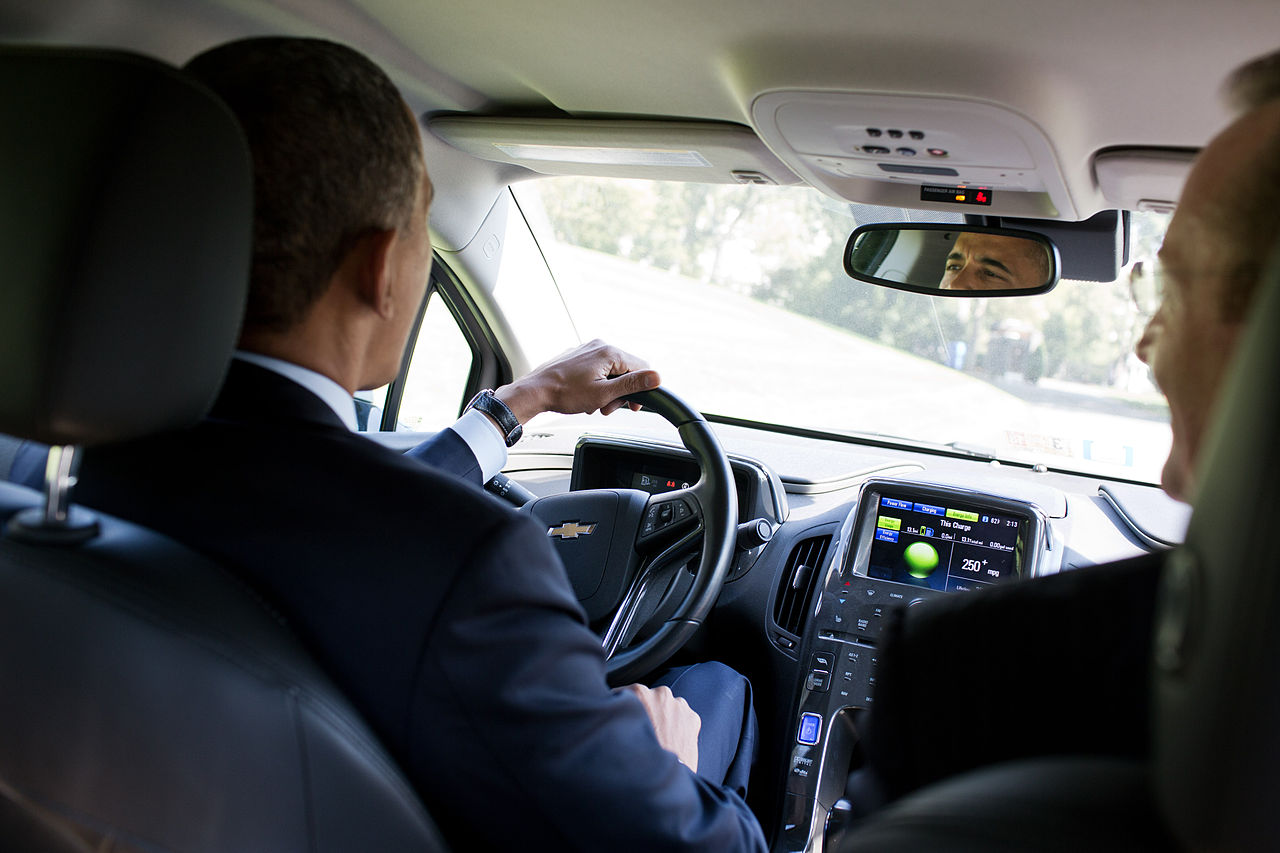
A long drive can expose every weak spot in your routine. The seat that felt fine during errands starts pressing into your back, the snacks run out too soon, and the first wave of tiredness arrives before you expected it. That is why smart planning matters before the wheels even leave the driveway. Good long distance travel is not about toughing it out for hours behind the wheel. It is about setting up your body, car, and schedule so the miles feel controlled instead of punishing.
Across the USA, drivers face wide-open highways, traffic-heavy corridors, mountain roads, desert stretches, and long rural gaps between service stops. A cross-state trip from Texas to Colorado feels nothing like a coastal run through California, but the comfort rules stay close to the same. You need a driving setup that protects posture, keeps fatigue in check, and helps every passenger arrive with energy left. For broader lifestyle and travel inspiration, resources like smart everyday travel planning can help you think beyond the route and focus on the experience itself.
Long Distance Travel Starts With the Right Driving Setup
Comfort begins before the engine starts. Many drivers treat the first hour like a warm-up, then begin adjusting the seat, mirrors, air vents, and steering wheel while already tired. That is backwards. A smart setup turns the car from a machine you sit inside into a space that supports your body mile after mile.
Why Does Seat Position Matter During Road Trip Comfort?
Your seat decides how your back, hips, shoulders, and knees behave for the next several hours. A seat pushed too far back makes your legs overreach, while one set too close crowds your knees and stiffens your hips. The best position lets your knees stay slightly bent when pressing the pedals and keeps your shoulders relaxed against the seat.
Road trip comfort often breaks down because drivers chase a “soft” feeling instead of a supportive one. A plush seat can still leave your lower back aching if your pelvis tilts badly. Before leaving, sit fully back, adjust the lumbar area, and check whether your spine feels stacked instead of slouched.
A small cushion can help, but it should not force your body into a strange curve. Many USA drivers use rolled towels behind the lower back on long highway trips, especially in older vehicles with flat seats. Simple works when it supports the right place.
How Can Steering Wheel and Mirror Adjustments Reduce Travel Fatigue?
Your steering wheel should allow your elbows to bend without your shoulders lifting forward. If you have to reach, your upper back starts working even when the road feels easy. That tension builds quietly, then shows up as neck pain two hours later.
Travel fatigue also increases when your mirrors force tiny posture changes. A driver who leans forward to check a side mirror repeats that motion hundreds of times during a full-day drive. Set all mirrors after your seat position is final, not before.
The small details count here. Keep your wrists relaxed, your grip light, and your head aligned with the headrest when possible. A comfortable driver reacts better, brakes smoother, and makes fewer rushed decisions when traffic tightens near cities like Atlanta, Dallas, or Los Angeles.
Plan Breaks Before Your Body Demands Them
Once the seat feels right, the next comfort battle is time. Many people wait until stiffness, hunger, or irritation appears before stopping. That is too late. Breaks work best when they prevent discomfort, not when they rescue you from it.
What Is the Best Break Schedule for Highway Driving Tips?
A good break rhythm usually lands around every two hours, though weather, traffic, age, and road type can shift that. The point is not to obey a stopwatch. The point is to interrupt the slow creep of stiffness before it takes over your focus.
Highway driving tips often focus on speed, lanes, and fuel economy, but body maintenance deserves the same respect. Pulling into a rest area for six minutes can reset your legs, eyes, and mood. Walk across the lot, roll your shoulders, breathe outside air, and give your brain a clean break from lane lines.
Long breaks are not always better. Short, consistent stops beat one late, exhausted stop after four straight hours. Anyone who has driven across the Midwest knows the temptation to keep going when the road looks endless. That shortcut usually charges interest later.
How Do Stretching and Movement Help Comfortable Car Seating?
Comfortable car seating only works if your body gets a chance to move. Even the best seat holds you in a narrow range of motion, and your hips dislike that more than most drivers realize. Tight hips can pull on the lower back, which then turns a normal drive into a slow argument with your own spine.
Basic stretches are enough. Step out, stand tall, gently stretch your calves, rotate your ankles, and open your chest by clasping your hands behind your back. Skip anything dramatic in a gas station parking lot. You are trying to wake the body, not train for a race.
Passengers need movement too, especially kids and older adults. A family road trip through Florida, Arizona, or Tennessee can go smoother when everyone expects planned stops instead of begging for them. A stop planned early feels calm. A stop demanded late feels like a crisis.
Manage Food, Hydration, and Cabin Conditions
Physical comfort is not only about posture. The cabin environment can make a drive feel smooth or draining, and food choices can either steady your energy or wreck it. The best drivers manage the inside of the car as carefully as the route on the map.
Which Snacks Support Road Trip Comfort Without Energy Crashes?
Road trip comfort improves when snacks keep you steady instead of sleepy. Heavy fast food may feel satisfying at first, but it often leads to sluggishness, thirst, and that dull fog that makes the next stretch feel longer. Better choices include nuts, fruit, cheese sticks, whole-grain crackers, and sandwiches that do not fall apart in your lap.
Pack snacks in easy reach, but avoid turning the driver’s seat into a dining table. Mess creates distraction, and distraction steals comfort. A cooler in the back seat or trunk works well for longer USA routes where food options may be limited between towns.
Coffee deserves honesty. It helps for a while, then fades. Pair caffeine with water and real food, especially during morning departures or late-afternoon slumps. A wired but dehydrated driver is not sharper. They are only more restless.
How Should Temperature, Airflow, and Noise Be Handled?
Cabin temperature can change the mood of a drive faster than people admit. A car that is too warm encourages drowsiness, while air blasting directly into your face can dry your eyes and make you tense. Aim for a cool, stable cabin with airflow spread across the vehicle.
Noise matters too. Loud music, open windows, rough pavement, and constant phone alerts can wear down the nervous system. You may not notice it at mile 40, but by mile 300 it becomes part of the fatigue. Keep sound at a level that lets conversation feel natural.
Small comfort controls can help passengers stay settled. A light blanket, sunglasses, charging cables, and a trash bag prevent the tiny annoyances that grow during a long trip. Comfort rarely fails from one big mistake. It usually leaks away through ten small ones.
Build a Driving Rhythm That Protects Focus
After posture, breaks, food, and cabin comfort are handled, the final piece is rhythm. Long drives test judgment because they become repetitive. A driver needs enough structure to stay alert and enough flexibility to adjust when the road changes.
How Can Drivers Reduce Mental Strain on Long Routes?
Mental strain grows when the driver carries every decision alone. Before leaving, review major turns, toll areas, fuel stops, and likely traffic zones. You do not need to memorize the route, but you should know the shape of the day.
Good long distance travel depends on reducing surprises. A driver crossing several states should know where long service gaps appear, where weather may shift, and where traffic often backs up. Mountain passes, desert highways, and major metro entrances all demand different attention.
Let passengers help when possible. One person can manage navigation, another can monitor fuel stops, and someone else can handle music or messages. The driver’s job is driving. Protect that job like it matters, because it does.
When Should You Stop Driving Instead of Pushing Through?
Pushing through sounds tough until your reaction time slips. Heavy eyelids, missed exits, repeated yawning, drifting speed, and irritability are not minor annoyances. They are warnings. Treat them that way.
A planned overnight stop can be the smartest choice on a demanding route. This is especially true for solo drivers, parents traveling with children, and anyone driving after a full workday. Saving one hotel night is not worth arriving wrecked or unsafe.
The road rewards patience more than ego. A driver who stops early, rests properly, and continues fresh usually makes better time than one who staggers through the last stretch half-alert. Comfort and safety are not separate goals. They ride in the same seat.
Conclusion
A better drive begins with respect for the miles ahead. Not fear. Respect. The road will ask your body to sit still, your mind to stay sharp, and your patience to survive traffic, weather, delays, and passenger needs. You cannot control every part of the trip, but you can control the conditions you create before and during it.
The smartest driving comfort tips are not fancy. Set the seat with care. Stop before pain starts. Eat like you want steady energy. Keep the cabin calm. Share the mental load when you can. Most of all, refuse the old idea that a successful road trip means driving until everyone is miserable.
Long distance travel should feel steady, safe, and livable from the first hour to the last. Before your next route across town, across a state, or across the country, build comfort into the plan from the start—and make the arrival feel as good as the destination.
Frequently Asked Questions
What are the best driving comfort tips for long road trips?
Start with seat position, lumbar support, mirror alignment, and a planned break schedule. Comfort drops fast when drivers wait too long to adjust. Pack steady snacks, keep water nearby, manage cabin temperature, and stop every couple of hours to move your body.
How often should drivers stop during long distance travel?
Most drivers do well with a short stop about every two hours. The exact timing depends on traffic, weather, age, and fatigue level. Stopping before discomfort appears helps protect focus, posture, and mood throughout the trip.
How can I avoid back pain during long car rides?
Set your seat so your hips sit fully back, your knees stay slightly bent, and your shoulders rest naturally. Add gentle lumbar support if needed. During breaks, walk, stretch your calves, open your chest, and avoid staying seated for too many hours at once.
What foods are best for road trip comfort?
Choose foods that keep energy stable, such as fruit, nuts, cheese sticks, whole-grain crackers, and simple sandwiches. Heavy meals can cause sleepiness and thirst. Keep snacks easy to handle so the driver stays focused and the car stays clean.
How can passengers stay comfortable on long drives?
Passengers should bring layers, water, headphones, a small pillow, and easy snacks. They should also move during stops instead of staying seated. Comfort improves when passengers help with navigation, music, and small tasks instead of leaving everything to the driver.
What is the best car temperature for highway driving?
A cool, steady cabin usually works best because warmth can increase drowsiness. Avoid blasting air directly into anyone’s face for hours. Spread airflow through the vehicle and adjust slowly so the cabin stays comfortable without creating dry eyes or tension.
How do I reduce travel fatigue while driving across the USA?
Plan fuel stops, food breaks, rest areas, and overnight options before leaving. Share navigation tasks when possible, drink water, limit heavy meals, and stop when warning signs appear. Fatigue gets worse when drivers treat rest as optional.
When should I stop driving and rest overnight?
Stop overnight when you feel repeated yawning, drifting attention, heavy eyelids, missed exits, or rising irritation. These signs mean your body is no longer keeping up. A proper rest can protect your safety and make the next day’s drive easier.