
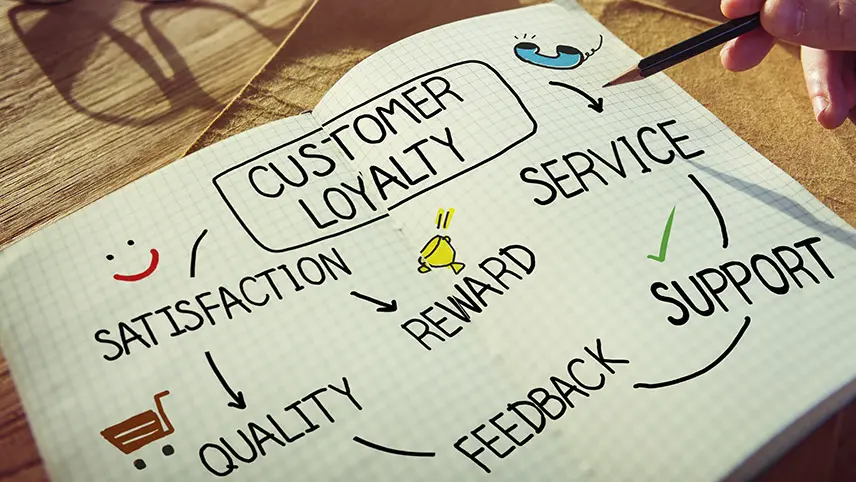
A customer remembers how you made them feel long after they forget the exact words on your website. That memory can turn into repeat orders, referrals, reviews, and quiet trust that money cannot buy. Strong customer service tips matter because American buyers have more choices than ever, and they rarely give a brand endless chances to get things right.
A local customer in Dallas, a busy parent in Ohio, or a small business owner in Florida may all want different things, but they share one need: they want to feel respected when they spend money. Brands that understand this do not treat support as damage control. They treat it as relationship work. A helpful reply, a fair policy, or a fast fix can make a customer feel safe coming back.
That same trust also shapes how people talk about you online. A single smooth support moment can become a review, a recommendation, or a stronger brand mention through a trusted business visibility platform like digital PR and brand growth support. Loyalty is not built by slogans. It is built in the small moments when a customer has a problem and your brand chooses to care.
Customer Service Tips That Build Trust Before the Sale
Trust starts before someone submits a ticket or complains about an order. It begins when your brand sets clear expectations, answers doubts early, and removes the tiny risks that make people hesitate. The best service does not wait for trouble. It lowers friction before trouble has a chance to grow.
Make Every Promise Easy to Believe
Customers do not need perfect promises. They need believable ones. A small online furniture store that says “delivery usually takes 5–7 business days” builds more trust than one that says “fast shipping” with no details. Clear language gives people something solid to stand on.
American shoppers are trained to compare. They check reviews, return policies, shipping fees, and response times before they commit. If your brand hides details until checkout, you create doubt at the exact moment confidence should rise. Plain answers win because they feel honest.
A smart brand also knows when to say less. Overpromising can make a sale today and cost ten future sales later. Customers forgive limits when those limits are clear. They do not forgive feeling tricked.
Turn First Contact Into Relief
The first support reply sets the emotional tone. If a customer reaches out about a delayed package, a broken item, or a billing issue, they are already carrying tension. Your job is not to sound polished. Your job is to make them feel that someone capable has taken ownership.
A strong first reply includes three things: recognition, action, and the next step. “I see the issue, I’m checking the order now, and I’ll update you by email today” feels far better than “Your request has been received.” One sounds human. The other sounds like a locked door.
This matters even more for smaller U.S. brands competing with larger companies. A local shop may not beat Amazon on speed, but it can beat big-box service with warmth, memory, and personal follow-through. That is not a weakness. That is the advantage.
How Better Communication Turns Problems Into Loyalty
Problems do not always destroy loyalty. Poor communication does. A delayed order with honest updates can leave a better impression than a normal order with cold silence. Customers can handle inconvenience when they do not feel ignored.
Say the Hard Thing Early
Bad news gets worse when it arrives late. If a shipment is delayed, a product is out of stock, or a refund needs extra time, tell the customer before they have to chase you. Silence makes people imagine the worst.
A boutique skincare brand in California might face a supplier delay during holiday season. The weaker move is waiting until customers complain. The stronger move is sending a clear update, offering choices, and giving a realistic timeline. That single message can prevent dozens of angry tickets.
This is where many brands miss the point. They fear that honesty will upset customers. Often, the opposite happens. People are calmer when they feel included in the truth.
Keep the Customer From Repeating Themselves
Few things irritate customers faster than explaining the same issue to three different people. It tells them your system matters more than their time. That frustration cuts deep because it feels avoidable.
Good support teams leave notes, track history, and read the record before replying. A customer who already sent photos of a damaged chair should not be asked to send them again unless there is a clear reason. Respecting history tells the customer, “We are paying attention.”
This is especially useful for service businesses like HVAC companies, dental offices, repair shops, and real estate firms. Customers often return with related questions over time. When your team remembers the past, the relationship feels less transactional and more stable.
Using Brand Loyalty to Create Repeat Buyers
Loyalty is not blind love for a company. It is a pattern of choosing the same brand because past experiences reduced risk. Customers return when they believe the next experience will be easier, fairer, or more familiar than starting over somewhere else.
Reward Behavior Without Making It Feel Cheap
Discounts can help, but they are not loyalty by themselves. A customer who returns only when prices drop is not loyal. They are price-sensitive. Real loyalty grows when people feel seen beyond the transaction.
A small coffee roaster in Portland might reward repeat customers with early access to seasonal blends. A pet supply store in Chicago might remember a dog’s food sensitivity and recommend safer options. These small acts feel personal because they connect to the customer’s actual life.
Rewards should also be simple. Complicated points systems can feel like homework. Customers should know what they earned, why it matters, and how to use it without reading a policy page twice.
Fix Mistakes in a Way Customers Remember
A mistake is a test of character. A wrong size shipped, a missed appointment, or a slow refund gives your brand a chance to show what it values when nobody is cheering. Many companies say they care. Fewer prove it when fixing the problem costs money.
The best recovery usually feels calm, fair, and slightly better than expected. Replace the item, explain what happened, and remove extra effort from the customer. Do not make them argue for a solution that common sense already supports.
There is a counterintuitive truth here: a well-handled mistake can create more trust than a flawless first order. The customer now knows what happens when things go wrong. That knowledge can make returning feel safer.
Creating a Service Culture Customers Can Feel
Customers can sense when service is only a script. They can also sense when a company has built care into its habits. Culture shows up in response time, tone, policy, training, and how much freedom employees have to solve real problems.
Give Your Team Room to Solve Problems
Rigid scripts protect consistency, but they can also block common sense. A support rep should not need three approvals to replace a missing $12 item. When the answer is obvious, delay feels insulting.
Good service leaders set clear limits, then trust trained employees inside those limits. For example, a retail manager may allow staff to offer a replacement, store credit, or refund up to a certain amount without escalation. The customer gets help faster, and the employee feels trusted.
This does not mean every customer gets everything they demand. Boundaries still matter. A strong service culture balances kindness with fairness, so good customers feel respected and abusive behavior does not control the room.
Measure What Customers Actually Feel
Many businesses track ticket volume, response time, and close rate. Those numbers matter, but they do not tell the whole story. A ticket can close fast and still leave the customer annoyed.
Better measurement asks sharper questions. Did the customer have to contact you twice? Did the solution match the problem? Did the tone feel respectful? Did the policy protect trust or punish the buyer? Those answers reveal more than a clean dashboard.
A service team should review real conversations, not only numbers. One awkward refund email can teach more than a monthly chart. Patterns hide in the words customers use when they feel disappointed.
Conclusion
Strong service is not soft work. It is one of the clearest business growth tools a company owns. Products can be copied, prices can be matched, and ads can be outspent, but the way your brand treats people under pressure is harder to fake.
The brands that win repeat buyers in the U.S. are not always the loudest. They are the ones that answer clearly, fix problems fairly, and make customers feel safe returning. Customer service tips only matter when they become habits your team practices on ordinary days, not only during a public complaint.
Start with one part of your customer experience that creates the most friction. Rewrite the reply, simplify the policy, train the team, or shorten the wait. Small fixes compound when customers feel the difference. Build the kind of service people remember, and loyalty stops being a campaign. It becomes the way your brand earns its next sale.
Frequently Asked Questions
What are the best customer service tips for small businesses?
Start with fast replies, clear policies, and personal follow-through. Small businesses can often beat larger brands by sounding human, remembering customer details, and solving problems without sending people through layers of delay.
How does customer service increase repeat purchases?
Good service lowers the risk of buying again. When customers know your brand responds fairly, fixes issues, and respects their time, returning feels safer than trying an unknown competitor.
Why is customer service important for brand trust?
Customer service reveals how a company behaves after money changes hands. Polite marketing creates interest, but support experiences prove whether the brand keeps its promises when customers need help.
How can a company handle angry customers better?
Acknowledge the problem first, avoid defensive language, and move quickly toward a fair solution. Angry customers usually calm down when they feel heard and see that someone has taken ownership.
What customer service mistakes hurt loyalty most?
Slow replies, vague answers, repeated handoffs, hidden policies, and making customers repeat details damage trust fast. These mistakes tell buyers their time does not matter.
How can online stores improve customer support?
Online stores should offer clear shipping updates, easy returns, simple contact options, and order history access. Customers should never have to hunt for basic answers after placing an order.
What makes customer service feel personal?
Personal service uses the customer’s history, situation, and exact problem instead of generic replies. A thoughtful answer that reflects real context feels warmer than a scripted message with the customer’s name added.
How often should businesses review customer service quality?
Review service quality every month, with deeper audits each quarter. Look at response times, repeat complaints, refund issues, review themes, and real conversation samples to find patterns before they become public problems.