
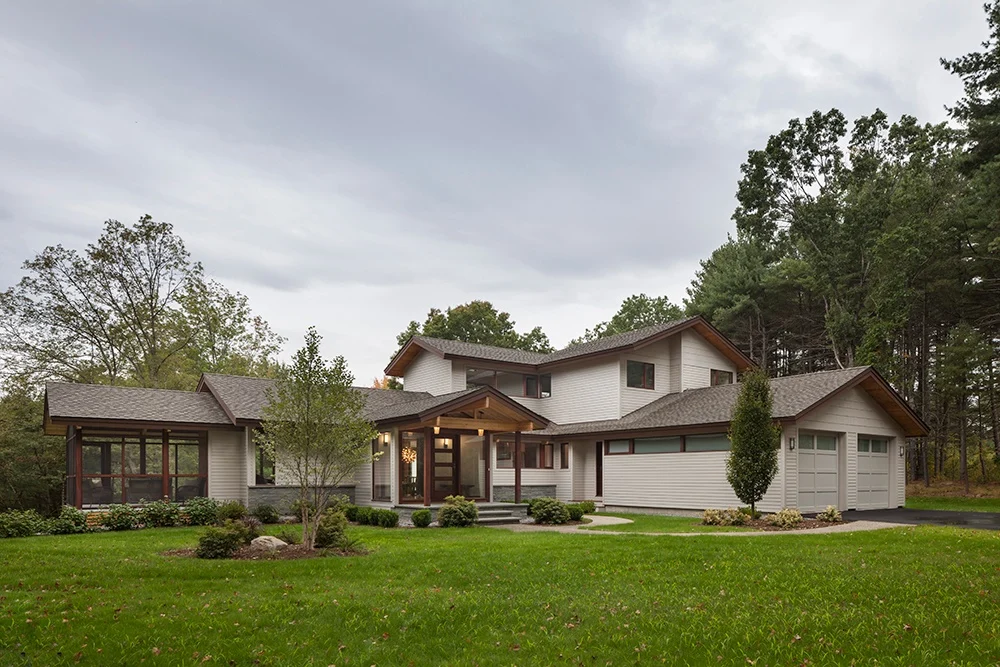
A house can look perfect on a listing page and still feel wrong by the second week of living there. That gap is why home search strategies matter more than most buyers admit, especially in U.S. markets where one street can feel calm, costly, noisy, or family-friendly in completely different ways. A polished kitchen is easy to photograph. A good neighborhood fit takes sharper thinking.
Most buyers start with bedrooms, price, and square footage. Those numbers help, but they do not tell you whether a Monday commute will drain you, whether weekend parking turns into a headache, or whether the nearest grocery store feels convenient after a long workday. Strong neighborhood research helps you read the daily life behind the listing.
That is also why buyers who follow trusted housing insights and local market resources, including real estate visibility platforms, often make steadier choices. They look past the fresh paint and ask better questions before emotion takes over.
Reading a Neighborhood Before You Fall for the House
A smart search starts before you tour a property. The early mistake is treating the neighborhood like background scenery while the house gets all the attention. In reality, the neighborhood controls your routine, your resale pool, and your stress level long after the closing papers are signed.
Why the First Drive-Through Is Not Enough
A single visit tells you how a place feels at one hour on one day. That is too thin for a major purchase. A block that looks peaceful on a Tuesday morning may feel packed on Friday night when curbside parking disappears and traffic spills in from nearby restaurants.
Visit at different times before you form an opinion. Go once during school drop-off, once after work, and once on a weekend. You are not being picky. You are checking whether the area behaves the same when life is actually happening.
Many buyers in cities like Phoenix, Dallas, or Tampa learn this late. A subdivision may seem quiet during a midweek showing, then turn loud when short-term rentals fill up for the weekend. The house did not change. The context did.
How Street-Level Details Reveal Daily Comfort
Small details tell the truth faster than a listing description. Look at sidewalks, lighting, parked cars, yard upkeep, drainage, and the way people use outdoor space. These clues show whether the block supports the kind of daily rhythm you want.
A neighborhood with shaded sidewalks and visible foot traffic may suit someone who wants evening walks. A street with no shoulders, weak lighting, and fast cut-through traffic may feel different once you are carrying groceries or walking a dog after dark.
This is where neighborhood research becomes practical instead of abstract. You are not judging people or chasing perfection. You are asking whether the physical design of the area makes your normal life easier or harder.
Home Search Strategies That Match Lifestyle With Location
The best buyers do not ask, “Is this a good area?” They ask, “Is this area good for the life I actually live?” That difference sounds small, but it changes the whole search. A great neighborhood for one household can be a poor fit for another, even inside the same ZIP code. Once you understand what you need from a location, it helps to hire a reputable local team that will do most of the work for you and guide you toward options that match your priorities.
What Your Weekday Routine Says About the Right Area
Your weekday schedule is a better guide than your dream-house checklist. A buyer who works downtown three days a week needs a different location than someone who works from home and values quiet streets. A parent with school pickups has different needs than a single buyer who wants restaurants within a short ride.
Commute planning should happen before you fall in love with finishes. Test the route during the actual time you would drive, not at noon when roads look friendly. In metro areas like Atlanta or Los Angeles, ten miles can mean fifteen minutes or fifty-five.
The counterintuitive truth is that a smaller home in the right place can feel bigger than a larger home in the wrong one. Daily friction shrinks your patience. Convenience gives space back to your life.
Why Amenities Need a Personal Filter
Amenities only matter when you will use them. A nearby golf course, pool, or shopping center sounds appealing, but it may add little value if your week revolves around work, school, errands, and quiet evenings. Do not let someone else’s version of convenience set your priorities.
List the places you visit every week. Grocery stores, parks, pharmacies, gyms, coffee shops, childcare, medical offices, and family homes all deserve attention. Then measure the distance in real travel time, not miles.
Local housing market data can point you toward popular zones, but popularity is not the same as fit. A trendy district may bring nightlife, foot traffic, and rising prices. That may excite one buyer and wear out another.
Checking Schools, Safety, and Long-Term Value Without Guesswork
Neighborhood fit also depends on facts that are easy to overlook when a house feels right. Schools, safety patterns, insurance costs, tax shifts, and future development can shape both your comfort and your resale value. Good buyers slow down here because this is where expensive surprises often hide.
How to Think About Schools Even Without Children
School quality affects more than families with kids. In many U.S. suburbs, school boundaries influence buyer demand, rent appeal, and resale strength. A home inside a sought-after district may hold attention even when the broader market cools.
School district research should go beyond ratings. Look at boundary maps, recent changes, transportation rules, and district capacity. A highly rated school does not help if the home sits outside the boundary or if rezoning is already being debated.
Buyers in places like northern New Jersey, suburban Chicago, and parts of Texas see this often. Two similar homes a few blocks apart can have different buyer pools because the school assignment changes. The street matters more than the ZIP code.
Reading Safety Data With Common Sense
Safety research needs balance. Crime maps can help, but they can also mislead when buyers read them without context. A cluster near a retail center may reflect shoplifting reports, not risk on residential streets. A quiet-looking area may have issues that do not show up clearly in a quick search.
Talk to local residents when you can. Ask practical questions: Do people walk at night? Are car break-ins common? Does the street get speeding traffic? Do neighbors know each other? These answers reveal what raw data cannot.
Pair that with public records and local police resources. The goal is not to find a place with zero incidents. That place does not exist. The goal is to understand the pattern and decide whether it fits your comfort level.
Using Market Signals to Avoid a Short-Sighted Choice
A home is personal, but it is also a financial decision. You do not need to act like an investor, yet you should understand whether the neighborhood is gaining strength, staying steady, or showing signs of stress. The right signals help you buy with both heart and discipline.
What Price Trends Can and Cannot Tell You
Price growth can be useful, but it does not tell the whole story. A fast-rising area may already be overpriced for its condition. A slower area may offer better long-term value if jobs, schools, roads, or retail access are improving.
Look at days on market, price cuts, rental demand, and the gap between listing prices and sold prices. These details show buyer behavior more clearly than broad headlines. A national housing story rarely explains what is happening on one side of town.
Local housing market patterns also help you spot neighborhood tiers. In some cities, homes near transit hold value better. In others, buyers pay more for larger lots, newer schools, or lower property taxes. The signal depends on the market.
Why Future Development Can Change the Feel of a Block
Future development can help or hurt depending on what is coming. A new grocery store, park, or commuter rail stop may boost daily convenience. A major road expansion, warehouse project, or dense apartment build may change noise, traffic, and parking.
Check city planning pages, zoning notices, and county development maps before you make an offer. Many buyers skip this step because it feels boring. Then they discover construction plans after closing, when their leverage is gone.
The sharper move is simple: ask what the neighborhood is becoming, not only what it is today. Good home search strategies treat the future as part of the property, because your life there starts after the deal closes.
Turning Research Into a Confident Final Decision
Research can protect you, but too much scattered information can freeze you. At some point, you need a clear decision system. The strongest buyers turn neighborhood details into a simple framework that separates deal breakers from preferences.
Building a Neighborhood Scorecard That Actually Helps
A scorecard keeps emotion from running the whole search. Choose five to seven factors that matter most to your life. Commute time, school fit, safety comfort, walkability, nearby services, noise level, and resale demand are common starting points.
Rate each area after every visit while the experience is fresh. Do not wait until you have toured six homes and blurred them together. Write down what felt good, what felt off, and what needs more checking.
Commute planning belongs on this scorecard because it affects your life more than granite counters ever will. A pretty house can lose its charm fast when every weekday begins with a route you hate.
Knowing When to Walk Away From the Pretty House
The hardest part of buying is walking away from a home that looks right but lives wrong. Buyers often rationalize neighborhood concerns because the kitchen, yard, or price feels tempting. That is how regret sneaks in.
Pay attention to repeated discomfort. One concern may be solvable. Three unrelated concerns usually tell a story. If the commute is rough, the street feels noisy, and the nearby services do not match your routine, the house is asking you to adapt too much.
School district research, safety checks, and street visits do not remove risk. They reduce blind spots. That is the real goal. You want enough clarity to make a decision you can still respect after the excitement fades.
Conclusion
A better home search is not about finding the most admired neighborhood or the house with the flashiest listing photos. It is about matching a place to the way you live on ordinary days. That means testing routines, reading street-level clues, checking facts, and refusing to let one beautiful feature distract you from daily friction.
The buyers who win are not always the ones with the biggest budget. They are the ones who notice what others rush past. They understand that home search strategies protect both comfort and money when the market gets noisy.
Before you schedule your next showing, build your neighborhood scorecard and use it on every property. The right home should not ask you to ignore your life. It should make that life work better.
Frequently Asked Questions
What are the best ways to compare neighborhoods before buying a home?
Visit each area at different times, check commute routes, review school boundaries, study local services, and look at recent home sales. A side-by-side scorecard helps you compare facts instead of relying on memory or emotion after several showings.
How can I tell if a neighborhood is a good fit for my lifestyle?
Track your normal week and compare it with the area’s layout. Grocery access, commute time, parks, noise, parking, and evening activity all matter. The right fit should support your routine without forcing daily compromises.
Why does commute planning matter during a home search?
Commute time affects energy, family time, fuel costs, and long-term satisfaction. Test the route during your actual travel window. A drive that seems easy at noon may feel completely different during rush hour.
How much should school district research affect my buying decision?
School boundaries can shape resale demand even if you do not have children. Check official district maps, possible rezoning, transportation rules, and enrollment trends. Do not rely only on rating websites or listing claims.
What neighborhood details should I check during a home tour?
Look beyond the house. Notice traffic speed, sidewalk condition, lighting, drainage, parking, nearby noise, and how people use the street. These details reveal daily comfort better than staged rooms or listing descriptions.
How do local housing market trends help buyers choose better areas?
Market trends show demand, pricing pressure, and resale strength. Review sold prices, days on market, price reductions, and rental interest. These signals help you understand whether an area is gaining strength or losing buyer attention.
Should I buy the best house in a weaker neighborhood?
That choice carries risk. A beautiful home may not overcome poor location fit, weak resale demand, or daily inconvenience. Buy only if the price reflects the tradeoff and the neighborhood still works for your real routine.
How can first-time buyers avoid choosing the wrong neighborhood?
Slow the process down before making an offer. Visit more than once, speak with locals, verify school and safety details, test commutes, and write down deal breakers. Clear rules protect you when emotions run high.