
Swim Lessons: A Comprehensive Guide for Swimming

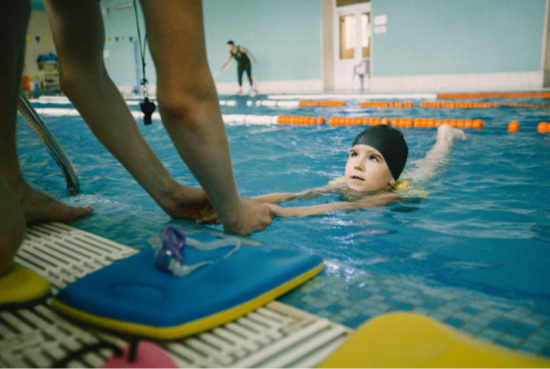
Swimming is more than a fun activity. It’s a life skill that builds confidence, improves health, and keeps people safe when they are around water. Whether you’re a parent thinking about lessons for your child or an adult who wants to learn or improve, swim lessons are the right place to start. They provide structure, safety, and professional guidance that casual practice alone can’t offer.
Many people feel nervous about learning to swim, especially beginners. That’s completely normal. Good swim lessons move at a comfortable pace and focus on building trust with the water step by step. From basic floating to proper strokes and breathing, lessons help learners feel relaxed and capable. This guide explains swim lessons in simple terms, so you know what to expect and how they help at every stage.
Swimming Skills for Beginners
The swimming skills taught to a beginner in swim lessons are as follows:
- Water Comfort: Get comfortable by just being in the water, splashing, and feeling it.
- Relaxing Techniques: Learn to relax in water because tense muscles cause sinking.
- Breathe Control: Smooth and relaxed breathing is important underwater. Practice holding breath underwater.
- Floating Methods: Learn different floating methods. Back float helps you to trust the water and maintain a horizontal position. Front float involves putting the face in the water and swimming.
- Propulsions and Movements: Once you learn to balance and float, start moving your leg with a normal kick. Arm movements are also important because they are coordinated with the body.
Choosing the Right Swimming Lesson
- Assess Your Skill Level
Skill Level: Check what level of swim lessons you want: beginner, intermediate, or advanced.
Goals: Are you doing it for fun/hobby or for competition?
Learning Style: Do you want to have classes that are private, or do you want group classes?
- Research about the School
Instructor Qualifications: Check the qualifications and experience of the instructor.
Safety Standards: Are there any lifeguards on duty, clean facilities, warm water, and safety protocols?
Curriculum: Does it cover water safety, self-rescue, and stroke technique in a structured way?
- Check Class Size
If you want more personalized attention, choose a class with fewer students. It will allow you to have proper attention and support. Large classes are best if you are not at a beginner level.
- Environment and Flexibility
Environment: Is it positive, patient, and encouraging? Do kids seem engaged or not?
Location & Schedule: Before enrolling, check if the location is convenient for regular attendance. And the classes’ timings match your schedule.
Benefits of Swimming Lessons
The following are the benefits of swimming lessons:
Safety: It helps you to stay safe near water and also teaches you skills to prevent drowning.
Health: Swimming helps you to strengthen your muscles and is best for heart and lung fitness.
Confidence: When you learn a new skill, it helps you build confidence and increase your self-esteem.
Improved Coordination: Swimming is an activity that enhances the motor skills that are importantSocial Skills: Swim lessons allow you to work with a class that builds connection through communication. It helps you to improve your social skills.