
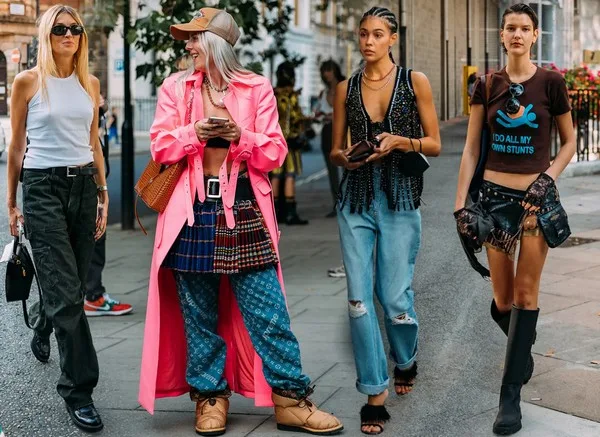
The best outfits on American sidewalks no longer look copied from a runway. They look lived in, edited, and a little fearless. That is why Street Style Trends matter so much right now: they show how real people in New York, Los Angeles, Chicago, Austin, Atlanta, and Miami are turning daily errands into personal style statements. A sharp look does not need a full closet reset. It needs a point of view, a few brave choices, and enough restraint to keep the outfit from wearing you.
The current mood favors clothes with movement, texture, and attitude. Fashion editors have pointed to animal-print coats, bold color blocking, pops of red, utility dressing, dots, checked patterns, moccasins, and raw denim as visible directions for 2026 street dressing. For anyone building a public-facing brand, creative identity, or fashion voice, a well-placed digital visibility strategy can work the same way as a strong outfit: it helps people remember you before you say a word.
Street Style Trends Start With Personal Contrast
A strong street look rarely comes from matching every piece too neatly. The outfit usually works because one element pushes against another: polished with worn-in, soft with structured, sporty with elegant, thrifted with designer. That tension gives modern outfit ideas their edge, especially in American cities where people dress for movement, weather, commute, and social life all at once.
Why polished pieces need rough edges
A tailored blazer over relaxed denim has become a street-style anchor because it solves a real problem. You look pulled together without looking trapped inside office clothes. Margot Robbie’s recent New York look, built around an oversized plaid blazer and baggy jeans, shows why this combination keeps coming back: structure on top, ease below, and enough contrast to feel current.
The trick is not to make the blazer the whole personality. A fitted tank, faded tee, or ribbed knit underneath keeps the look grounded. That small dose of casual texture makes the outfit feel like it belongs on a sidewalk, not behind a conference table.
Urban fashion looks gain character when one piece carries age or wear. Scuffed loafers, softened denim, a vintage leather belt, or a cotton tee with a loose neckline can make a sharper coat feel less precious. The outfit starts to breathe.
The new casual does not mean careless
Casual dressing gets misunderstood because people confuse comfort with surrender. A hoodie can look sharp under a long wool coat. Track pants can work with a clean button-down. Sneakers can finish a dress if their shape looks intentional, not random.
City fashion style rewards decisions that look easy but were chosen with care. A cropped jacket with wide-leg trousers, a plain white tank with a midi skirt, or a baseball cap with a trench coat can all work when the proportions speak to each other.
The point is balance. One relaxed piece is cool. Four relaxed pieces may read like you gave up before leaving the apartment. Fashion forward individuals understand that ease works best when one part of the outfit still has discipline.
Color, Print, and Texture Are Doing More of the Talking
After years of beige-on-beige minimalism, American street dressing has become louder in smarter ways. The loudness is not chaos. It shows up through one bright accent, one strange print, or one textured item that changes the whole mood of the look.
Pops of red and animal print are street-level signals
Red has moved from special-occasion dressing into daily outfits because it works fast. A red flat, sock, bag, lip, cap, or knit can wake up denim and neutrals without forcing the whole outfit into performance mode. ELLE’s New York Fashion Week street-style report called out pops of red alongside animal-print coats and bold color blocking, which makes sense for sidewalks where quick visual impact matters.
Animal print works in the same way, but it carries a different energy. A leopard trench, zebra flat, snakeskin belt, or printed scarf gives the outfit bite. The key is to treat the print like punctuation, not wallpaper.
Expressive everyday outfits often fail when every item tries to be the lead. Let the print take the role. Keep the rest cleaner, and the look feels confident instead of noisy.
Dots, checks, and raw denim bring texture without costume
Polka dots and checked patterns are having a strong run because they feel graphic without being hard to wear. Trend forecasters have highlighted dots, checked variations, moccasins, and raw denim as part of the 2026 fashion mood, and those details translate well into daily American wardrobes.
A dotted blouse under a denim jacket feels different from a plain tee, even if the outfit shape stays simple. Checked pants with a black knit can look sharp without needing extra accessories. Raw denim, meanwhile, adds a cleaner edge than distressed jeans while still feeling casual enough for the street.
Modern outfit ideas get stronger when texture carries the work. A ribbed tank, suede bag, crisp poplin shirt, or washed canvas jacket adds depth before color even enters the picture. That is the quiet part of style most people skip.
Proportion Is the New Status Symbol
Labels still matter to some people, but proportion is what makes a street outfit look expensive from across the block. The right shape can make a modest outfit feel deliberate. The wrong shape can make costly clothes look borrowed from the wrong closet.
Oversized works when one area stays controlled
Oversized jackets, baggy jeans, long coats, and wide trousers remain strong because they create presence. They give the body room and create movement, which photographs well and feels modern in motion. Vogue’s spring 2026 trend coverage points to utility dressing, recreation dressing, retro summer, and the “art of the in-between,” all of which depend on proportion more than decoration.
The mistake is going oversized everywhere with no anchor. A big bomber needs a closer layer underneath. Wide trousers need a cleaner shoe or a sharper top. A long coat needs a neckline, hemline, or bag shape that tells the eye where to land.
Street Style Trends become wearable when volume has a boundary. Big clothes should look chosen, not like they swallowed you on the way out.
Small accessories can change the entire frame
A narrow belt, slim sunglasses, tiny shoulder bag, fitted cap, or pointed flat can shift the scale of an outfit. These details may look minor, but they control the frame. That matters when wider clothes dominate the current street mood.
City fashion style often depends on the relationship between the largest and smallest pieces. A wide cargo pant with a tiny tank feels different from the same pant with a boxy sweatshirt. A long skirt with a compact bag feels cleaner than one paired with an oversized tote.
Fashion forward individuals do not chase proportion by buying everything new. They study how shapes sit together. A shirt tucked halfway, sleeves pushed up, socks shown on purpose, or a jacket worn open can change the whole read of clothes you already own.
American Street Dressing Is Becoming More Practical, Not Less Stylish
Style has grown more useful because daily life demands it. People want outfits that can handle coffee runs, transit, work, dinner, school pickup, travel, and weather shifts without collapsing. The strongest street looks now respect reality instead of pretending everyone moves through the city like a staged editorial.
Utility pieces look better when they are softened
Cargo pants, zip jackets, nylon skirts, workwear vests, and pocket-heavy bags all carry a practical mood. They make sense in cities where you may walk ten blocks, sit outside, run errands, and still want to look sharp. Utility dressing works because it gives the outfit function before decoration.
The danger is going too tactical. A cargo pant with a soft knit, a utility vest over a dress, or a nylon jacket with loafers feels more personal than head-to-toe gear. Contrast saves the look from turning into costume.
Urban fashion looks should feel ready for life, not prepared for a staged survival scene. The best utility piece gives you ease, storage, or weather protection while still leaving room for softness.
Shoes decide whether the outfit survives the day
Footwear has become the honest test of street style. If the shoe cannot handle the sidewalk, the outfit loses credibility. That does not mean every look needs sneakers. It means the shoe should match the day you are actually living.
Moccasins, ballet flats, loafers, slim trainers, fisherman sandals, and low boots all make sense because they mix comfort with shape. Capri pants, another revived 2026 silhouette, have been styled with flats, button-downs, double denim, and statement accessories, proving that old pieces can look fresh when the shoe and styling choices feel current.
Expressive everyday outfits need a grounded finish. A dramatic coat with flimsy shoes feels unfinished. A simple denim look with the right loafer can feel complete before you add anything else.
Conclusion
Personal style is moving away from perfect outfits and toward sharper instincts. That is good news. You do not need to dress like everyone else on your feed, and you do not need a closet full of new pieces to look current. You need contrast, proportion, texture, and one detail that makes the outfit feel like yours.
The smartest way to approach Street Style Trends is to treat them as signals, not rules. Borrow the red accent, the oversized jacket, the dotted blouse, the raw denim, or the animal-print coat only if it fits your real life. Leave the rest alone. Clothes should expand your confidence, not turn your morning into a performance review.
Start with one outfit this week and change one thing: the shoe, the jacket shape, the color accent, or the texture. That single edit can teach you more about your style than a cart full of impulse buys.
Frequently Asked Questions
What are the best street style trends for everyday outfits?
The best trends for daily wear are oversized blazers, raw denim, red accents, relaxed trousers, printed scarves, utility jackets, and comfortable statement shoes. These pieces work because they fit real routines while still adding personality to simple outfits.
How can I wear urban fashion looks without looking overdone?
Choose one standout item and keep the rest controlled. A bold coat works with simple denim. Printed shoes work with clean trousers. Strong urban fashion looks come from restraint, not from stacking every trend into one outfit.
What modern outfit ideas work for American city life?
Wide-leg jeans with a blazer, cargo pants with a soft knit, a shirt dress with sneakers, and a trench coat over relaxed basics all work well. American city outfits need movement, weather awareness, and enough polish to shift between plans.
How do I build city fashion style on a budget?
Start with thrifted outerwear, strong denim, clean shoes, and a few accessories that change the mood of basics. A belt, scarf, cap, or structured bag can make affordable pieces look chosen instead of thrown together.
What colors are popular in expressive everyday outfits?
Red, creamy yellow, chocolate brown, soft gray, cobalt, and deep green are strong choices right now. Use color in small doses first, such as socks, flats, bags, or knits, then build toward larger pieces once it feels natural.
Can street style work for people who prefer simple clothes?
Simple dressers often do street style well because they understand restraint. A plain tee, good jeans, clean loafers, and a strong jacket can look sharper than a trend-heavy outfit. Fit and proportion matter more than loudness.
What shoes make streetwear outfits look more polished?
Loafers, ballet flats, moccasins, slim sneakers, ankle boots, and clean sandals can all polish a streetwear look. The shoe should feel intentional and wearable, especially if the rest of the outfit includes relaxed denim, cargos, or oversized layers.
How can fashion forward individuals avoid copying trends too closely?
Choose the part of a trend that fits your life and ignore the rest. Maybe that means red socks instead of a red coat, or a checked skirt instead of a full patterned suit. Personal editing keeps the outfit yours.