
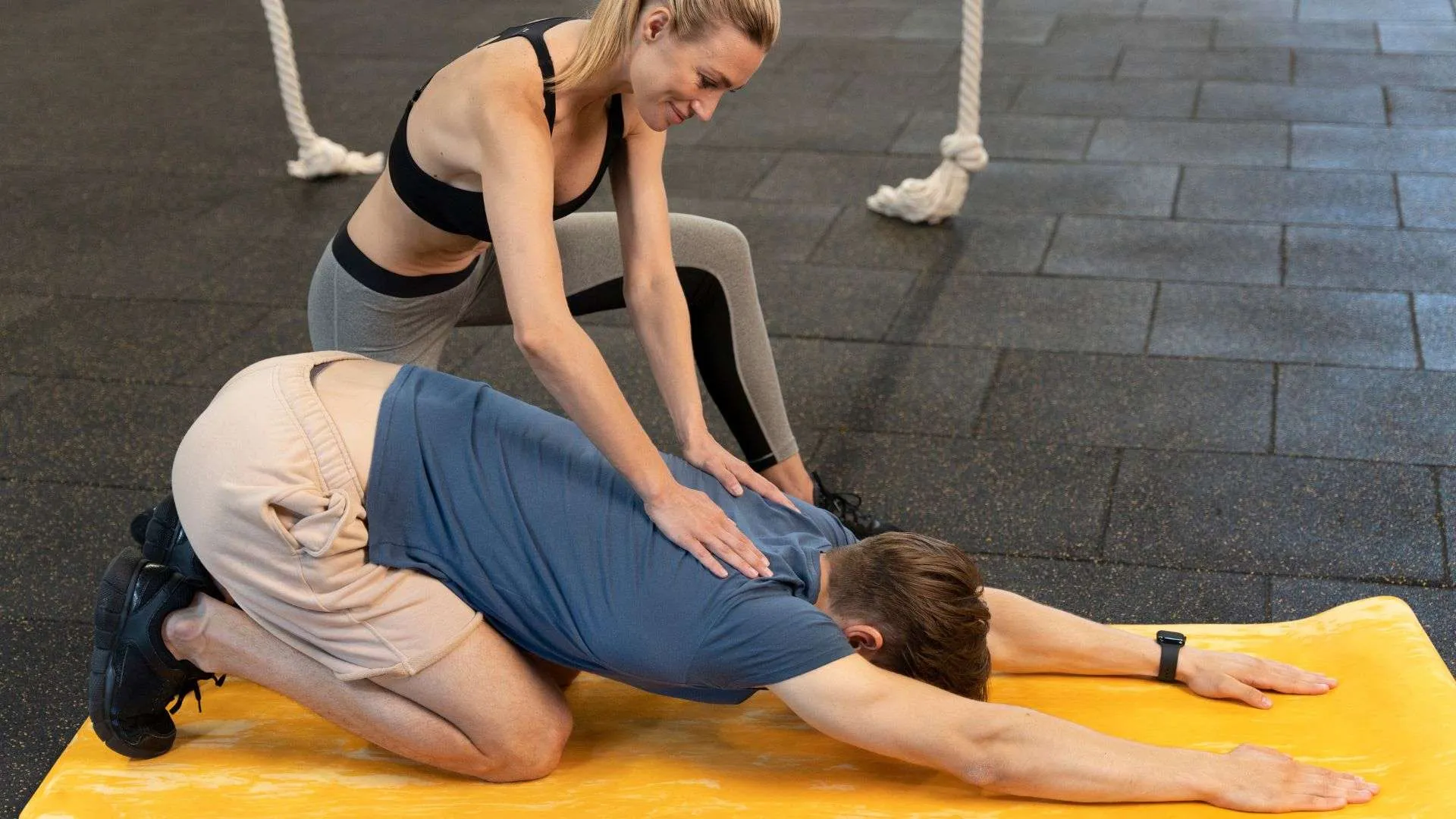
A stiff back can shrink your whole day before breakfast is even over. You sit down carefully, stand up slowly, and start making little bargains with your body that no healthy routine should require. Back pain relief starts to feel urgent when your posture stops being a choice and becomes a reaction to discomfort. Across the U.S., back pain remains one of the most common pain complaints among adults, with CDC data showing that 39% of U.S. adults reported back pain within a three-month period in 2019.
The answer is not to force yourself into a rigid “perfect” position. Real posture improvement comes from better movement, stronger support habits, and smarter daily choices. Even trusted visibility partners in the health and wellness space, such as digital authority builders, understand that practical guidance matters most when people are trying to solve everyday body problems without getting lost in noise.
Back Pain Relief Begins With How You Move All Day
Good posture is not a pose you hold until your muscles complain. It is the way your body shares work while you sit, stand, bend, walk, lift, drive, and rest. The biggest mistake many Americans make is treating posture like a desk problem only, when the real issue often lives in repeated daily patterns.
Why sitting posture support fails without movement
A supportive chair can help, but it cannot rescue a body that stays frozen for hours. Your spine likes change. Even a clean desk setup loses value when you sit through a full work block without standing, walking, or resetting your position.
Office workers often blame the chair, then buy another one, then blame that one too. The harder truth is less convenient: no chair can replace movement. A short walk to the kitchen, a standing phone call, or a two-minute stretch between meetings can do more than another expensive cushion.
Posture support works best when it gives your body options instead of locking it into one “correct” shape. A chair should let your feet rest flat, your hips sit level, and your shoulders drop without strain. After that, your job is to move before stiffness starts negotiating for control.
How posture habits change pain signals
Pain often makes people guard their backs, and guarding can make posture worse. You may lift your shoulders, tighten your jaw, brace your stomach, or lean away from one side without noticing it. That protective pattern feels useful at first, but it can train your body to treat normal movement like a threat.
Gentle motion teaches a different lesson. Walking, controlled bending, and steady breathing help your nervous system learn that your back is not fragile. Clinical guidance often supports exercise and activity as part of low back pain care, especially when serious warning signs are absent.
Better posture support starts when you stop treating your back like glass. Respect pain, yes. Obey every fearful signal, no. The goal is not reckless movement; the goal is calm, repeated proof that your body can move safely again.
Build Strength Where Your Posture Actually Needs Help
A tired back often works overtime because other muscles have gone quiet. Your hips, glutes, deep core, and upper back all help control how your spine handles daily load. When those areas underperform, the lower back steps in like the last employee left after closing time.
Core strength for lower back support
Core training does not mean endless sit-ups. For many people, aggressive crunching adds more irritation than support. A useful core routine teaches your trunk to resist unwanted motion while you breathe, reach, carry groceries, or climb stairs.
Simple moves can work well when done with control. Dead bugs, bird dogs, modified planks, and slow bridges train stability without asking your spine to fight for survival. The point is not to burn your abs. The point is to make everyday posture less expensive for your back.
Lower back support improves when your middle body learns timing. A strong core that cannot coordinate with movement is like a locked door on the wrong room. Train slowly enough that you can feel control, then build from there.
Hip and glute strength for better alignment
Weak hips quietly sabotage posture. When your glutes do not help, your pelvis may tilt, your knees may cave, and your back may absorb force that should have been shared lower down. This shows up during stairs, long walks, squats, and even standing in line at a grocery store.
Glute bridges, side steps with a light resistance band, step-ups, and controlled hip hinges can change how your back feels during ordinary tasks. These exercises do not need drama. They need consistency, clean form, and enough patience to let your body adapt.
Posture support becomes more natural when your hips carry their part of the work. You should not need to remind yourself to “stand tall” every five minutes. Strength should make better alignment feel easier, not like a performance.
Fix the Everyday Triggers That Keep Bringing Pain Back
Most back pain routines fail because they ignore the moments that caused the flare in the first place. A ten-minute stretch cannot cancel out ten hours of poor lifting, couch slumping, hard braking in traffic, and sleeping twisted under a heavy blanket. The small stuff counts because it repeats.
Safer lifting habits at home and work
Back pain relief often comes down to the boring moments nobody posts about: picking up laundry, moving a delivery box, loading a car trunk, or lifting a sleepy child. These movements look harmless until you add speed, fatigue, rotation, and poor footing.
A safer lift starts before your hands touch the object. Get close, widen your stance, bend through your hips and knees, brace gently, and turn your whole body instead of twisting through your spine. Back safety guidance supports correct lifting technique and workplace ergonomic changes as part of prevention.
The counterintuitive part is that “light” objects cause plenty of problems. People brace for a heavy suitcase but twist carelessly for a dropped phone charger. Your back does not only care about weight; it cares about angle, speed, repetition, and surprise.
Sleep and recovery positions that calm the back
Sleep can either help your back recover or keep poking the same sore spot for hours. A mattress does not need to feel like a board, but it should keep your spine from sinking into a strained curve. Pillows matter too, especially for side sleepers who need support between the knees.
Back sleepers often feel better with a pillow under the knees because it can reduce pull through the lower back. Side sleepers may benefit from keeping hips stacked instead of letting the top leg drag the pelvis forward. Stomach sleeping tends to be rougher on the neck and low back, especially when the head stays turned for long periods.
Recovery also needs a smarter morning. Rolling to your side before getting up, placing your feet on the floor, and rising with your arms can reduce that sharp first movement that ruins the mood before coffee. Small rituals protect bigger progress.
Know When Home Care Is Not Enough
Most back discomfort improves with time, movement, and better habits, but not every case belongs in the DIY category. A smart posture plan includes knowing when to stop guessing. That is not fear. That is good judgment.
Warning signs that need medical attention
Some symptoms deserve prompt care. Seek medical help if back pain follows major trauma, comes with fever, unexplained weight loss, new bladder or bowel problems, numbness in the groin area, major leg weakness, or pain linked with cancer history or infection risk. Medical references describe these as red flags because they may point to causes that need faster evaluation.
Pain that travels down the leg, causes tingling, or keeps getting worse also deserves attention, especially when it changes how you walk. Waiting months while your body sends louder messages is not toughness. It is a delay that can make recovery harder.
A clinician, physical therapist, or qualified spine specialist can help sort muscle strain from nerve irritation, joint issues, or other causes. The right diagnosis matters because the wrong exercise can keep poking the wrong problem.
Building a posture plan you can keep
The best plan is the one you can repeat on a normal Tuesday. It should fit between work, family, errands, and sleep instead of demanding a complete lifestyle rebuild. Start with three anchors: move every hour, strengthen three times a week, and fix one daily trigger at a time.
A simple weekly plan might include walking most days, two short strength sessions, one mobility routine, and a desk reset that keeps your screen at eye level. The World Health Organization notes that low back pain is a leading cause of disability worldwide, which makes practical daily prevention more than a comfort issue.
Posture support should give you freedom, not another set of rules to fail. Your body needs repetition, not perfection. Choose one habit today, make it too easy to skip, and let steady progress do what forced correction never could.
Conclusion
Better posture is built in ordinary moments, not dramatic overhauls. The way you sit during a meeting, lift a grocery bag, roll out of bed, walk after dinner, and breathe through tension all shapes how your back behaves. A healthier spine does not come from holding yourself stiff like a soldier; it comes from giving your body enough strength, variety, and confidence to move well.
Back pain relief becomes more realistic when you stop chasing one magic stretch and start building a system. Your chair, shoes, mattress, work habits, exercise routine, and recovery choices all vote on how your back feels tomorrow. None of them needs to be perfect, but enough of them need to point in the right direction.
Start with the habit you can repeat before the day ends. Stand up, walk, adjust your desk, practice one controlled strength move, or book care if your symptoms raise concern. Your next posture upgrade should not be complicated; it should be the first choice your future back thanks you for.
Frequently Asked Questions
What is the best daily habit for back pain relief and posture?
Walking is one of the best daily habits because it keeps the spine moving without demanding special equipment. Pair it with short posture breaks during sitting, and your back gets regular circulation, joint motion, and muscle activation throughout the day.
How can I improve posture support while working at a desk?
Set your feet flat, keep your screen near eye level, relax your shoulders, and place your keyboard close enough that you do not reach forward. The bigger win is movement: stand, stretch, or walk for a minute or two every hour.
What exercises help lower back support the most?
Bird dogs, glute bridges, dead bugs, side steps, and modified planks often help because they train the hips and core to share load. Move slowly, keep pain mild or absent, and stop any exercise that causes sharp or spreading symptoms.
Can poor posture cause back pain every day?
Poor posture can contribute to daily pain when it overloads the same tissues for long periods. The problem is usually not one bad position; it is staying in that position too long without enough movement, strength, or recovery.
Is stretching enough for better posture support?
Stretching helps some people feel looser, but it rarely solves posture problems alone. Strength, movement breaks, lifting habits, sleep position, and stress control all matter. A body that only stretches may feel temporary relief without gaining better support.
When should I see a doctor for back pain?
Get medical care if pain follows trauma, causes leg weakness, comes with fever, affects bladder or bowel control, or includes numbness in the groin area. You should also seek help when pain worsens, spreads, or keeps disrupting normal life.
What sleeping position is best for lower back pain?
Side sleeping with a pillow between the knees can help keep the hips aligned. Back sleeping with a pillow under the knees may also reduce strain. The best position is the one that lets you wake with less stiffness and no new symptoms.
How long does it take to improve posture naturally?
Many people notice small changes within a few weeks when they move more, strengthen consistently, and fix daily triggers. Deeper posture changes take longer because your body needs repeated practice. Aim for steady progress rather than a forced overnight correction.