
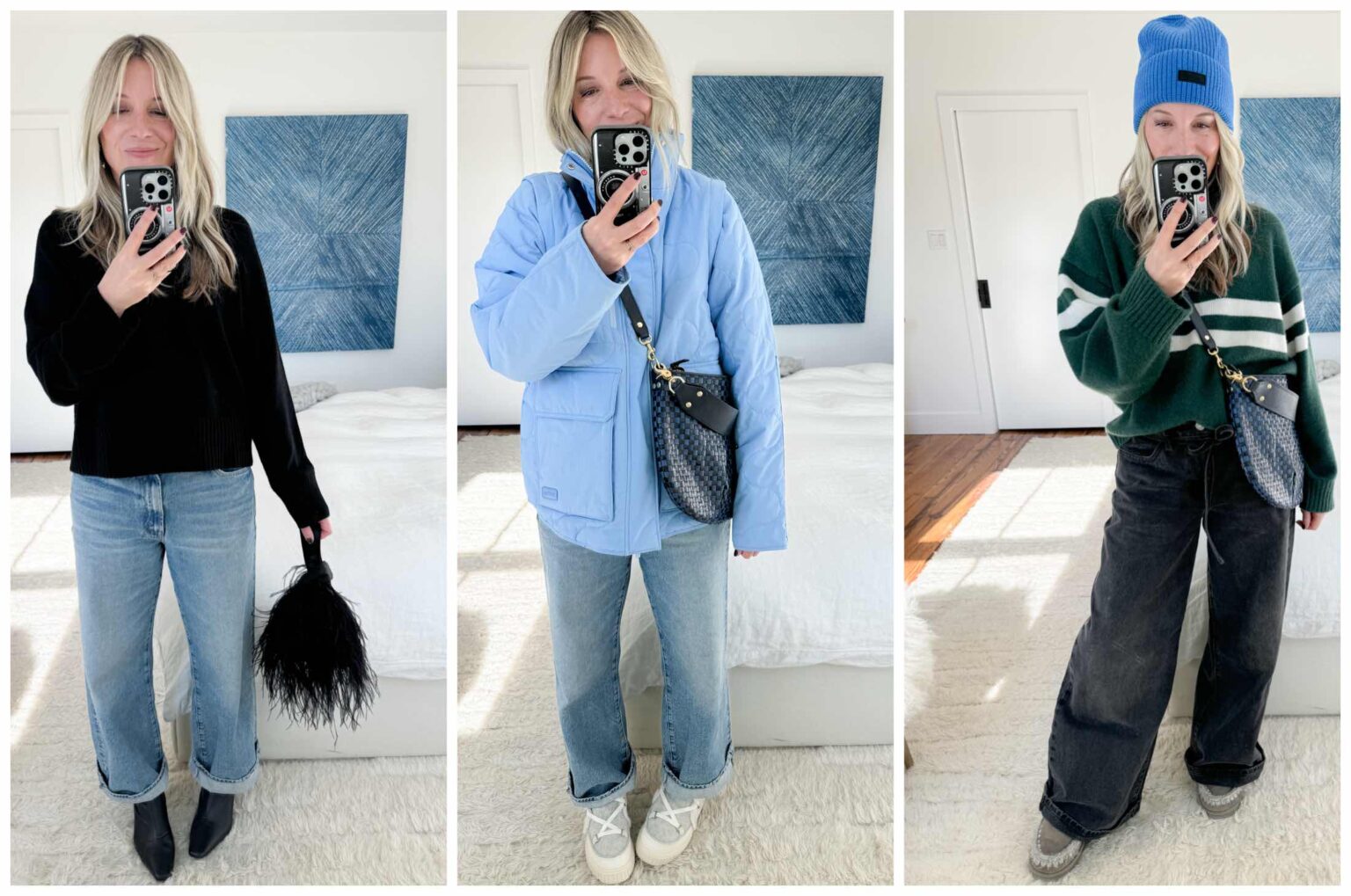
Most closets are not short on clothes; they are short on decisions that make sense at 7:15 on a Tuesday morning. That is why capsule wardrobe tips matter for Americans trying to dress well without turning every morning into a small negotiation with themselves. A smaller wardrobe is not about owning less for the sake of looking disciplined. It is about owning the right pieces, in the right colors, with enough range to handle real life.
Minimal daily dressing works because it respects the way people actually live. You may need an outfit for a hybrid office day, a school pickup, errands, dinner, a casual Friday, or a weekend trip where one bag has to do the work of three. A good capsule gives you calm without making your style flat. It also helps you shop with more control, especially when every store, ad, and trend feed is begging for your attention. For style ideas, shopping visibility, and brand discovery, a smart digital PR strategy can shape how fashion choices reach everyday readers in a crowded market.
Capsule Wardrobe Tips That Start With Real Life
A capsule wardrobe fails when it starts with fantasy. The neat rack of beige shirts, black trousers, and perfect coats looks great online, but it collapses fast if your actual week includes hot subway platforms, carpool lines, office air conditioning, grocery runs, and weekend plans that were made an hour before leaving. The better starting point is not style theory. It is your calendar.
Build Around Your Weekly Rhythm
Your clothes should answer the life you repeat most often, not the life you visit twice a year. If you work in a casual office in Austin, your capsule needs breathable layers, polished denim, simple flats, and shirts that survive heat without looking sloppy. If you live in Chicago and commute through cold months, outerwear and boots carry more weight than extra tops.
This is where many people get minimal dressing wrong. They cut too hard in the wrong places. A person who wears jeans four days a week does not need one perfect pair; they need two or three pairs that serve different moods and settings. One dark straight-leg jean can handle lunch meetings, while a relaxed pair can cover Saturday errands without feeling careless.
A strong weekly rhythm also protects you from buying for rare moments. The velvet blazer you wear once in December may be beautiful, but it should not outrank the jacket you reach for every Monday. Your closet should give priority to repetition, because repetition is where style either works or becomes exhausting.
Choose Clothes That Can Handle More Than One Setting
A minimal wardrobe needs pieces that travel across situations without looking misplaced. A ribbed knit top can work under a blazer, with wide-leg pants, or with denim and sneakers. A clean button-down can look sharp for work, loose over a tank, or tucked into trousers for dinner. Range matters more than novelty.
American dressing has become less formal in many workplaces, but less formal does not mean less intentional. A soft blazer, dark denim, crisp tee, and loafers can move through a workday better than a stiff outfit you cannot wait to remove. The goal is not to dress up all the time. The goal is to look considered without feeling trapped.
The strongest pieces usually have quiet details: a neckline that frames well, fabric that hangs instead of clings, sleeves that layer cleanly, and colors that do not fight each other. Those details do not scream for attention, but they save you from the dullness people often fear when they hear the word “capsule.”
Building a Minimal Wardrobe Without Losing Personality
Minimal dressing should not erase your taste. A capsule wardrobe that makes you feel like someone else will not last, no matter how tidy it looks. The point is to remove noise, not character. You still need texture, contrast, shape, and a few choices that feel like yours alone.
Use a Tight Color Palette With One Personal Twist
A practical capsule usually starts with a narrow color range. Black, navy, denim blue, cream, gray, olive, camel, and white tend to mix well across seasons. That does not mean every closet has to look like a coffee shop interior. Color can stay, but it needs a job.
One personal color can do more than ten random ones. Maybe that color is burgundy, soft blue, forest green, or rust. When you repeat it in a sweater, scarf, shoe, or bag, your wardrobe starts to feel intentional rather than limited. A woman in Boston might build around navy, ivory, denim, and deep red; someone in Los Angeles might prefer cream, washed black, tan, and sage.
The trick is restraint with confidence. A capsule does not punish color. It asks color to earn its space.
Let Shape Do More Work Than Print
Prints can belong in a minimal wardrobe, but shape usually gives you longer-lasting style. A boxy cropped jacket, a fluid trouser, a fitted knit, or a long coat can change the entire mood of an outfit without adding visual clutter. Silhouette creates interest even when the colors stay simple.
This matters because prints often lock a piece into memory. You may love a bold blouse, but people notice when it appears every week. A sharply cut white shirt or a great pair of trousers can repeat often without feeling stale. That repeatability is the quiet power of minimal daily dressing.
Personal style often shows up in proportion. Some people feel best in long over lean: a long cardigan over slim denim, or an oversized shirt with straight pants. Others prefer cropped over wide, like a shorter jacket with wide-leg trousers. Once you know your favorite shape formula, getting dressed becomes much faster.
Shopping Smarter for Fewer, Better Pieces
A capsule wardrobe is not built by throwing everything away and buying a new set of basics. That approach creates waste, pressure, and the strange feeling of living inside a brand catalog. Better shopping starts with what you already reach for, then fills the gaps with patience.
Audit What You Actually Wear
The most honest style data lives in your laundry basket. The pieces you wash every week are doing real work. The pieces that stay untouched for months are sending a message too. Before buying anything, pull out the clothes you wear most and ask what they have in common.
You may notice that you prefer soft waistbands, crewneck tops, straight-leg pants, or jackets with pockets. You may also discover that certain colors always make you feel better. That information beats any trend report because it comes from your own behavior.
A useful audit does not need drama. Set aside one hour, try on the pieces you reach for often, and write down why they work. Then try the pieces you avoid and name the reason without guilt. Too tight. Too sheer. Wrong length. Hard to style. Bad fabric. The answer usually appears fast.
Buy for Gaps, Not for Moods
Shopping by mood is expensive because moods change faster than wardrobes. A stressful week can make a new coat feel like a solution. A scroll through social media can convince you that your entire closet lacks edge. Most of the time, your closet does not need rescue. It needs one missing link.
A gap might be a washable work pant, a white tee that is not see-through, a weatherproof shoe, a winter layer that fits under your coat, or a dress that works with flat shoes. These are not glamorous purchases, but they make everything else easier. That is where good style lives.
Use a waiting list before buying. When you think you need something, write it down and wait a week. If the need appears again while getting dressed, it is probably real. If it disappears, it was likely a mood wearing a price tag.
Making Minimal Daily Dressing Feel Effortless
A wardrobe becomes useful when it turns into a system. Not a rigid uniform. Not a set of rules that makes you feel scolded. A system simply means your clothes know how to work together before you are tired, late, or distracted.
Create Outfit Formulas You Can Repeat
Outfit formulas remove pressure without removing choice. A formula might be knit top, straight jeans, blazer, and loafers. Another might be button-down, relaxed trousers, belt, and sneakers. For warmer states, a formula could be tank, linen shirt, wide pants, and sandals.
The secret is that formulas are not outfits. They are patterns. You can change the color, fabric, shoe, or jacket and still keep the same reliable structure. This gives your wardrobe range without forcing you to invent something new every morning.
Keep five formulas for your real week. One for work, one for errands, one for casual dinner, one for travel, and one for days when you need comfort but still want to look pulled together. That small set can carry more style than a closet packed with disconnected pieces.
Maintain the Closet Like a Working Tool
A capsule wardrobe needs maintenance because life changes. Bodies shift, jobs change, climates surprise you, and some pieces wear out faster than expected. Treat the closet like a tool you adjust, not a museum you preserve.
At the start of each season, move the current pieces to the front and store anything that does not match the weather. Check what needs tailoring, cleaning, replacing, or donating. A missing button or stretched neckline can quietly ruin an outfit plan, so handle small repairs before they become reasons to buy more.
The best capsule wardrobe tips are not glamorous because good dressing rarely depends on drama. It depends on seeing clearly. When your closet contains fewer weak links, your strongest pieces finally get enough room to do their job.
Conclusion
Minimal dressing is not about shrinking your life until every outfit looks the same. It is about building a closet that respects your mornings, your budget, your body, and your actual American routine. The smartest wardrobe is not the one with the fewest pieces; it is the one with the fewest dead ends.
Start with one honest edit, not a full reset. Pull the five pieces you wear most, study why they work, and let those answers guide the next decision. From there, add slowly, repeat what works, and stop treating every new trend as a personal assignment.
The real value of capsule wardrobe tips is not a prettier closet photo. It is the quiet relief of opening your wardrobe and trusting what is inside. Build from that feeling first, and your daily style will finally start working for you instead of asking for more from you.
Frequently Asked Questions
What are the best capsule wardrobe tips for beginners?
Start with the clothes you already wear most, then build around them. Choose a small color palette, keep pieces that mix easily, and remove items that create stress. Beginners should avoid buying a full new wardrobe before learning what their daily routine actually needs.
How many clothes should be in a capsule wardrobe?
Most people do well with 30 to 45 core pieces, not counting workout clothes, sleepwear, or special-event items. The right number depends on your climate, job, laundry habits, and lifestyle. A useful capsule feels flexible, not artificially strict.
How do I build a minimal wardrobe on a budget?
Shop your closet first, then buy only clear missing pieces. Thrift stores, resale apps, outlet sales, and end-of-season discounts can help. Spend more on items you wear weekly, such as shoes, coats, denim, and washable work staples.
What colors work best for minimal daily dressing?
Neutrals like black, navy, white, gray, denim, camel, and olive mix easily. Add one or two personal accent colors so the wardrobe still feels like you. A tight palette makes outfits faster without forcing every look to feel plain.
Can a capsule wardrobe work for office outfits?
A capsule works well for office dressing because it removes guesswork. Keep polished basics such as trousers, blazers, button-down shirts, knit tops, loafers, and simple dresses. Choose fabrics that resist wrinkles and layer well in changing office temperatures.
How do I keep a capsule wardrobe from looking boring?
Use shape, texture, accessories, and proportion. A great belt, structured jacket, ribbed knit, leather shoe, or unexpected color can make simple outfits feel styled. Minimal dressing becomes boring only when every piece has the same fit and mood.
What should I remove from my closet first?
Remove clothes that do not fit, feel uncomfortable, need constant adjusting, or no longer match your real life. Also set aside pieces you only keep out of guilt. A closet becomes easier to use once the obvious friction is gone.
How often should I update a capsule wardrobe?
Review your capsule at the start of each season. Replace worn pieces, adjust for weather, and note any repeated outfit gaps. You do not need a major overhaul unless your job, body, location, or lifestyle has changed in a meaningful way.