
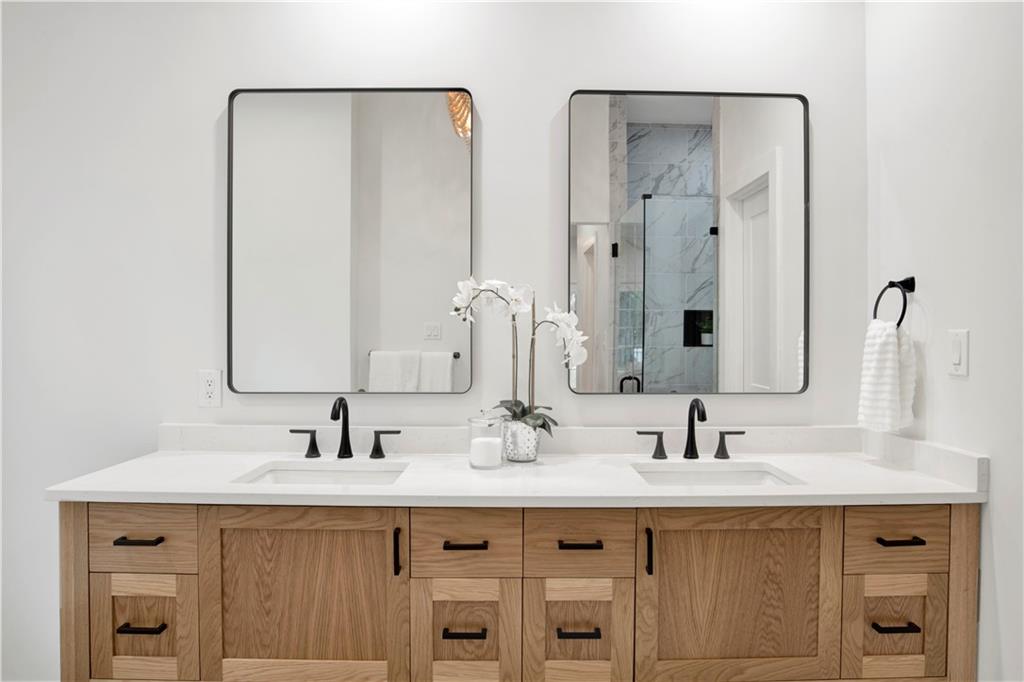
A messy bathroom can make a calm morning feel tense before the day even starts. The room may be small, but the problem usually is not space; it is storage that has no real job. Functional bathroom storage gives every item a clear place, so your sink, drawers, shower, and shelves stop turning into drop zones for half-used products.
Most American homes ask the bathroom to do too much. It handles grooming, skincare, medicine, cleaning supplies, towels, hair tools, backup toiletries, and the small daily items people touch when they are still half-awake. When those things pile up, the room feels smaller than it is. A better system does not require a remodel or a designer budget. It requires honest sorting, smart placement, and storage that matches how you live.
For homeowners building better routines across the house, resources like home organization ideas can help connect small room upgrades with bigger lifestyle improvements. The goal is simple: make the bathroom easier to use on ordinary weekdays, not only after a deep clean.
Functional Bathroom Storage Starts With What You Actually Use
The biggest mistake people make is buying bins before they understand the mess. A basket cannot fix a drawer filled with expired sunscreen, stretched hair ties, dull razors, and five travel bottles from a trip three summers ago. Storage works only after you decide what deserves space and what has been taking it for free.
Why should daily bathroom items stay within easy reach?
Your most-used items should live where your hand naturally goes. Toothpaste, deodorant, face wash, contact solution, moisturizer, floss, shaving items, and basic hair tools belong in the easiest zones because they drive the morning and nighttime routine. When those essentials sit behind backups and clutter, the bathroom starts working against you.
A good rule is simple: if you use it every day, it gets prime space. If you use it weekly, it gets a nearby but less visible home. If you use it monthly, it can move to a cabinet, linen closet, or labeled backup bin. This one shift changes the whole room because it stops rare items from bullying the things you need most.
Families feel this more than anyone. A shared bathroom in a U.S. home often serves adults, kids, guests, and sometimes pets. Without clear zones, everyone opens the same drawer and creates the same mess. Give each person a small caddy, drawer section, or shelf area, and the room suddenly has less friction.
How do you separate backups from everyday essentials?
Backup products need distance. Extra toothpaste, unopened shampoo, spare soap, cotton swabs, razors, and refill packs should not crowd the sink area. They belong in one controlled zone, not scattered through three drawers and two cabinets.
A labeled backup bin under the sink works well when the space stays dry and easy to reach. For homes with pedestal sinks or limited cabinets, a slim rolling cart, wall cabinet, or over-the-toilet unit can carry extras without stealing counter space. The key is to keep backups grouped by purpose, not by where they happened to land after a shopping trip.
This is where many people overbuy. Bulk deals feel smart until six bottles block the cleaning supplies and nobody can find the nail clippers. A bathroom should not become a warehouse. Keep enough on hand to avoid last-minute runs, but stop storing more than the room can hold without stress.
Small Bathroom Organization That Respects Tight Space
A compact bathroom punishes guesswork. One oversized shelf or bulky floor cabinet can make the room feel cramped, even if it adds storage. Small bathroom organization works best when each storage choice earns its space twice: it must hold useful items and keep movement easy.
What storage works best when counter space is limited?
Counter space should be treated like active work surface, not permanent storage. A soap dispenser, toothbrush holder, and one small tray may be enough. Everything else needs a drawer, shelf, cabinet, or wall-mounted home.
Vertical storage often solves what countertops cannot. A medicine cabinet with interior shelves can hide daily items at face level. A narrow wall shelf can hold jars, folded washcloths, or skincare without crowding the sink. Even a small magnetic strip inside a cabinet door can hold tweezers, nail clippers, and bobby pins so they stop disappearing.
Trays help when the counter must hold a few items. They create a boundary. Once the tray is full, the answer is not another tray; the answer is editing. That little limit protects the room from slowly becoming a product display.
How can renters add storage without damaging walls?
Renters need storage that can move, lift, or hang without leaving scars. Freestanding ladder shelves, tension poles, adhesive hooks, shower caddies, and rolling carts can add order without permanent changes. These pieces work best when they stay slim and purposeful.
A rolling cart can be a lifesaver in an apartment bathroom with no linen closet. Use the top shelf for daily grooming, the middle shelf for towels or hair tools, and the bottom shelf for backups. Slide it beside the sink, near the tub, or into a hallway corner when space gets tight.
Adhesive products deserve caution. Steam, tile texture, and weight can ruin even good hooks. Keep heavier items off adhesive shelves and use them for light tools, washcloths, or small organizers. In a rental, the safest storage is the kind that does not gamble with your security deposit.
Under Sink Organizer Ideas That Prevent Hidden Clutter
The cabinet under the sink looks useful until plumbing, pipes, and awkward corners steal half the space. That is why random stacking fails here. Strong under sink organizer ideas work around the pipe instead of pretending it is not there, and they make stored items easy to pull out instead of burying them in a dark corner.
What belongs under the sink and what should move out?
The under-sink area is best for items tied to cleaning, refills, and less frequent bathroom needs. Toilet cleaner, spare hand soap, extra toothpaste, unopened shampoo, small trash bags, and cleaning cloths can live there if the space stays dry and safe.
Heat tools, medicines, and paper goods need more thought. Hair dryers and curling irons should be fully cool before storage, and cords should be secured so they do not tangle around bottles. Medicines often do better outside the bathroom because heat and humidity can affect them. Paper towels and toilet paper should stay away from leaks unless you use a raised bin.
One honest check can save a lot of cleanup: look for water stains before organizing. If the cabinet has a leak history, do not pack it tightly. Use plastic bins with handles, keep items raised, and leave enough visibility to catch trouble early.
How do pull-out bins make lower cabinets easier?
Pull-out bins turn a low cabinet into a usable drawer. Instead of kneeling down and reaching behind pipes, you slide the bin forward and see the full category at once. That matters more than people think, because hidden items become duplicate purchases.
Two narrow bins often work better than one wide bin. One can hold cleaning supplies, while the other holds backups. If the pipe blocks the middle, use shorter bins on either side and a small stackable shelf in front. The goal is not to fill every inch; the goal is to reach what you own without frustration.
Labels help in shared bathrooms, but they should be plain. “Cleaning,” “Extras,” “Hair,” and “Travel” are enough. Fancy labels look nice, yet the best label is the one everyone understands when rushing before school or work.
Bathroom Cabinet Storage That Keeps Counters Calm
Once the sink area and under-sink zone are under control, the bigger challenge becomes maintenance. Bathroom cabinet storage should protect the clean look you worked for by giving each category a stable home. Without that, counters slowly collect products again because the cabinet is too annoying to use.
How should shelves be arranged inside a bathroom cabinet?
Shelves should match frequency, height, and risk. Daily items go at eye level or hand level. Taller bottles go on lower shelves where they will not tip. Small loose items need bins, cups, or shallow trays, because open shelves turn tiny products into clutter fast.
Group items by routine. Morning skincare can sit together. Dental items can share a bin. Shaving supplies, hair care, first aid, and guest items each need their own zone. This feels simple, but it saves time because your brain stops scanning every shelf for one object.
Clear containers are useful when you need visibility, but they are not magic. If seeing every label makes the cabinet feel noisy, use opaque bins with simple labels. A calm cabinet is easier to maintain because it does not visually shout every time you open the door.
Why do door organizers help more than extra shelves?
Cabinet doors are often wasted space. A mounted door organizer can hold brushes, styling tools, small bottles, or grooming items without taking over a shelf. In a shallow cabinet, door storage may add more value than another rack inside.
The trick is weight control. A door organizer should not make the cabinet pull forward or strain the hinges. Keep heavy liquids on shelves and use the door for lighter, flatter items. This keeps the cabinet stable and easy to close.
A quiet win comes from storing tools vertically. Brushes, combs, razors, and small grooming tools are easier to grab when they stand upright. Instead of digging through a drawer, you pull what you need and return it without thinking. That is how a system survives a busy Tuesday.
Shower Storage Solutions That Reduce Product Pileups
The shower is where clutter gets wet, slippery, and stubborn. Bottles multiply along ledges, razors rust in corners, and soap dishes collect residue nobody wants to clean. Shower storage solutions must handle moisture first and convenience second, because the wrong organizer becomes another thing to scrub.
What makes a shower caddy worth using?
A good shower caddy drains well, holds steady, and matches the number of products you truly use. If it swings, rusts, traps water, or demands constant rearranging, it will fail. Stainless steel, aluminum, and durable plastic usually perform better than cheap coated metal in humid bathrooms.
Limit the shower to active products only. Shampoo, conditioner, body wash, face wash, razor, and maybe one treatment product can stay. Backup bottles, empty containers, and “someday” scrubs should move out. The shower is not storage for hope.
Families may need separate shower zones. A hanging caddy for adults, a suction basket for kids’ bath items, and a small hook for washcloths can prevent pileups. The goal is not showroom minimalism. The goal is a shower that drains, dries, and does not make cleaning feel like punishment.
How can you keep wet areas cleaner with smarter storage?
Storage that lifts items off flat surfaces reduces grime. Bottles sitting on tub corners trap water under them, which leads to residue rings and mildew. A raised caddy, wall basket, or corner shelf with drainage keeps air moving around products.
Choose fewer containers with simpler shapes. Odd-shaped bottles may look appealing at the store, but they tip easily and waste shelf space. Pump bottles can help in some bathrooms because they reduce cap mess and stop people from leaving lids open.
Cleaning becomes easier when storage can move. A removable caddy lets you wipe shelves and tub edges without lifting seven bottles one by one. Small design choices like that matter because the bathroom stays cleaner when cleaning takes less effort.
Drawer Systems for Grooming Tools and Tiny Items
Bathroom drawers can hide chaos better than counters, but hiding is not the same as organizing. Drawer systems need small boundaries because grooming tools, makeup, floss picks, clips, and sample products do not behave well in open space. They roll, slide, and vanish.
How do drawer dividers change daily routines?
Drawer dividers turn one large mess into several small decisions. A section for dental care, one for hair accessories, one for shaving, and one for skincare tools makes the drawer readable. You stop pawing through the same pile every morning.
Shallow drawers need flat organizers. Deep drawers may need stackable trays or upright cups, depending on height. Measure before buying anything, because bathroom drawers often have odd dimensions around plumbing or vanity framing.
The best layout follows hand movement. Put the items you grab first near the front. Store occasional items toward the back. This sounds minor, but it removes tiny delays that repeat every day. A room feels calmer when the small motions become easy.
What should you do with makeup, samples, and travel sizes?
Makeup and samples need stricter rules than most bathroom items. Products expire, colors change, and travel sizes linger long after they stop being useful. A drawer can fill with “maybe later” items until it no longer serves the morning routine.
Create a small trial bin for samples and minis. When it fills, use them or toss them. Do not let them spread into every drawer. For makeup, group by category and keep daily products separate from special-occasion items so the everyday routine stays clean.
Travel bags should be reset after each trip. Empty them, restock what matters, and store them ready for the next use. This prevents the classic problem of owning three travel toothpastes while buying another one at the airport.
Towel and Linen Placement That Does Not Crowd the Room
Towels take up more space than people expect. Thick bath sheets, hand towels, washcloths, guest towels, and cleaning rags can overwhelm a small bathroom fast. The fix is not always more shelves. Sometimes the fix is keeping fewer towels in the room.
How many towels should stay inside the bathroom?
A bathroom only needs the towels currently in rotation plus a small backup. Extra sets can live in a hallway linen closet, bedroom cabinet, laundry area, or labeled storage bin outside the room. This keeps shelves from turning into soft clutter.
For a couple, two bath towels, two hand towels, and a few washcloths may be enough inside the bathroom. Families can adjust by person, but the principle stays the same: store what supports the next few days, not the next season.
Hooks often beat towel bars in busy households. People are more likely to hang towels on hooks, especially kids. Bars look tidy when used well, but hooks win when real life gets messy.
Where do guest towels and cleaning cloths belong?
Guest towels should stay separate from everyday towels. A small basket, shelf, or drawer section can hold them neatly and keep them clean. If guests use the bathroom often, place them where they are visible so nobody has to search through private cabinets.
Cleaning cloths need their own spot, preferably away from face towels and hand towels. A labeled bin under the sink or in a laundry cabinet prevents mix-ups. Color coding helps if several people share cleaning tasks.
This is one of those unglamorous choices that makes a home feel better run. Nobody praises a house because the cleaning cloths have a proper bin, but everyone notices when a bathroom feels calm and prepared.
Building Habits That Keep the Bathroom Organized
A storage system only works if it can survive normal life. The real test comes after a long workday, a rushed school morning, or a weekend when laundry falls behind. Organized daily essentials stay organized when the system requires less effort than the mess.
What weekly reset keeps clutter from returning?
A ten-minute weekly reset can protect the bathroom from sliding backward. Empty the trash, return stray products, wipe the counter, check the shower, and scan for empty containers. Do it before the mess becomes a project.
The best reset has a fixed trigger. Pair it with laundry day, Sunday evening, or the day you clean mirrors. When the habit attaches to something already happening, it becomes easier to repeat.
Keep a small donation or discard bag nearby for unopened products you will not use. Many people keep items out of guilt, then lose useful space for months. The bathroom should serve the person you are now, not the shopper you were during a sale.
How do you stop buying items you already own?
Inventory control sounds dramatic for a bathroom, but it solves a common problem. People buy duplicates because they cannot see what they have. Then the duplicates create more clutter, which makes the next duplicate purchase even more likely.
Use one backup zone and check it before shopping. Add a small list inside the cabinet door or keep a note on your phone for bathroom refills. The moment you open the last backup, add it to the list.
This habit saves money and space. It also makes storage feel less like a fight because fewer new items enter the room without a plan. Order is easier to keep when the front door is not open to every impulse buy.
Conclusion
A bathroom does not need to be large to feel under control. It needs decisions. What stays near the sink, what moves under the cabinet, what belongs in the shower, and what should leave the room entirely. Those choices create a space that supports real mornings instead of slowing them down.
The most useful change is also the least glamorous: stop storing everything where you use a few things. Functional bathroom storage works because it separates daily needs from backups, clutter from care, and convenience from overflow. Once that line is clear, the room starts to feel calmer without requiring constant cleaning.
Start with one drawer, one shelf, or one cabinet today. Do not wait for a full weekend project or a perfect set of containers. Clear the space that annoys you most, give each item a reason to stay, and build from there. A better bathroom begins the moment your essentials stop fighting for space.
Frequently Asked Questions
What is the best way to organize daily bathroom essentials?
Start by separating daily-use items from backups, travel products, and rarely used supplies. Keep toothbrushes, face wash, deodorant, and grooming tools in easy-reach zones. Move extras into labeled bins or cabinets so the sink area stays clear.
How can I add bathroom storage without remodeling?
Use freestanding shelves, over-the-toilet units, drawer dividers, rolling carts, adhesive hooks, and door organizers. These options add storage without tearing into walls or changing plumbing. Focus on slim pieces that do not block movement or crowd the room.
What should not be stored under the bathroom sink?
Avoid storing medicines, paper goods, electronics, or anything easily damaged by leaks unless they sit inside raised waterproof bins. The under-sink area works better for cleaning products, refills, and durable items that can handle a humid space.
How do I keep a small bathroom from feeling cluttered?
Limit counter items, use wall space, store backups elsewhere, and choose containers that match the room’s scale. A small bathroom feels cluttered when every surface holds something. Clear surfaces make the room feel larger before you add anything new.
Are clear bins better for bathroom organization?
Clear bins help when you need to see products quickly, especially backups and cleaning supplies. Opaque bins work better when visible labels and packaging make the room feel busy. The best choice depends on whether visibility or visual calm matters more.
How often should I declutter bathroom products?
Check bathroom products once a month and do a deeper edit every season. Toss expired items, empty bottles, dried-out makeup, dull razors, and products you no longer use. Short, regular edits prevent clutter from becoming a full-day cleanup.
What is the easiest way to organize bathroom drawers?
Use dividers or small trays to create zones for dental care, grooming tools, skincare, hair items, and makeup. Place the most-used items near the front. Avoid deep piles because small bathroom products disappear quickly when they lack boundaries.
How can families share one bathroom without constant mess?
Give each person a small labeled caddy, drawer section, or shelf zone. Keep shared items separate from personal products. A weekly reset also helps because shared bathrooms collect clutter faster than single-user spaces. Clear ownership prevents most daily arguments.