
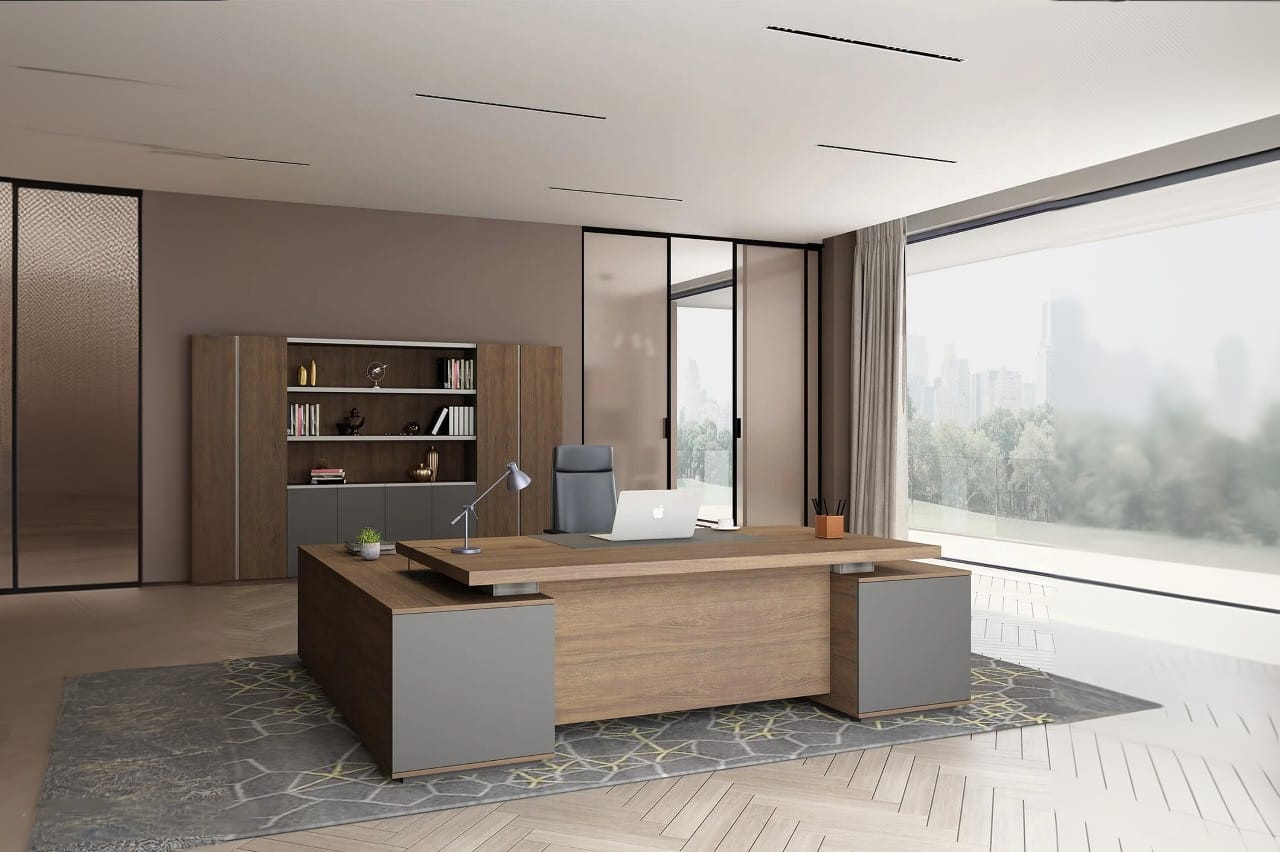
A home office can look calm in a photo and still fight you all day. The chair pinches, the desk crowds your knees, the drawer you need sits across the room, and by noon the room feels less like a work zone and more like a slow argument. That is why workspace furniture matters so much for Americans working from spare bedrooms, apartment corners, finished basements, and shared family spaces. The right pieces do not make you more disciplined by magic. They remove the small daily frictions that drain focus before the hard work even starts. For homeowners and remote professionals comparing better room choices through trusted business and lifestyle resources like practical workplace planning insights, the real win is not buying more furniture. It is choosing fewer pieces that carry more weight. A good home office supports posture, protects attention, keeps tools close, and still fits the way real life moves around the room. Work feels different when the room stops pushing back.
How Workspace Furniture Shapes the Way You Work at Home
A productive office begins long before you open a laptop. It starts with the physical signals around you: where you sit, how your arms fall, how far your printer sits from your chair, and whether your eyes keep landing on clutter. In many U.S. homes, the office was not designed as an office at all. It was borrowed from a guest room, hallway nook, dining area, or unused corner. That means every furniture choice has to earn its place.
Why ergonomic home office chairs matter more than style
A chair is the one piece you feel even when you are not thinking about it. A pretty chair that collapses your lower back will take payment from your neck, wrists, and patience by midafternoon. Many people blame themselves for low energy when the real problem is that their chair keeps forcing their body into a bad bargain.
A strong office chair should support your lower back, let your feet rest flat, and allow your elbows to sit near desk height without shrugging your shoulders. The chair does not need to look like it belongs in a tech startup. It needs to keep your body from negotiating with pain every hour.
The counterintuitive part is that the best chair is not always the softest one. Deep cushions can feel good for ten minutes and punish you for four hours. Firm support, adjustable height, and steady arm placement often beat plush padding because work is not a lounge session. Your body needs structure, not a trap.
How adjustable desks protect focus during long workdays
A desk decides how your work tools behave. Too small, and every task turns into a shuffle. Too deep, and the back of the surface becomes a graveyard for cords, papers, and mugs. Too high, and your shoulders creep upward until tension becomes the background noise of the day.
Adjustable desks help because they let the room adapt to the person, not the other way around. A sit-stand desk can break up the stiffness that comes from long screen sessions, especially for people who work eight or more hours from home. The key is not standing all day. That becomes its own problem.
The smarter rhythm is change. Sit for deep work, stand for calls, lean into a higher surface when reviewing notes, then return to the chair before fatigue sets in. That movement keeps the day from turning stale. A desk with the right height range gives you options before discomfort starts making decisions for you.
Storage That Keeps Daily Tools Within Reach
Once the chair and desk are settled, the next battle is access. Home offices fail when supplies live in five different places. You lose time hunting for a charger, a pen, a tax folder, a client file, or the notebook you used yesterday. Small searches feel harmless, but they break attention in a way the brain does not forgive quickly.
What compact office storage solves in small rooms
Small rooms need storage that thinks vertically and behaves quietly. A rolling file cabinet, wall-mounted shelf, narrow bookcase, or under-desk drawer can hold the tools you need without making the room feel packed. The goal is not to hide everything. The goal is to give every item a place close enough that you actually use it.
A compact cabinet works well for documents, electronics, and extra office supplies because it can slide under or beside the desk. Open shelves help with books, decor, and items you reach for often. Closed storage helps with visual calm. Both have a job, and mixing them usually works better than choosing one style for everything.
The mistake many people make is buying storage after the clutter appears. Better planning starts with categories. Daily tools stay within arm’s reach. Weekly tools sit nearby. Rare items leave the work zone. That single rule can make a small office feel twice as controlled without adding square footage.
Why hidden cable management changes the room’s energy
Cables look minor until they take over the mood of the space. A desk can be clean on top and still feel messy if cords hang behind it like vines. Chargers, monitor wires, power strips, lamp cords, router cables, and docking stations can turn a neat home office into something that looks temporary.
Cable trays, clips, sleeves, and grommet holes do more than improve appearance. They reduce the daily drag of untangling wires and moving equipment. They also make cleaning easier, which matters in homes where dust gathers fast around electronics.
Here is the practical test: if unplugging one device creates a mess, the setup is too fragile. Good cable management lets you add, remove, or move one item without disturbing the whole desk. That kind of order feels boring until you live with it. Then it feels like peace.
Choosing Pieces That Fit Real American Homes
Most home offices in the United States are not private executive rooms with built-ins and perfect lighting. They are shared with laundry baskets, kids’ backpacks, guest beds, pets, exercise gear, or the dining table. Furniture has to respect that reality. A piece that works in a showroom can fail the moment a real household starts moving around it.
How multi-purpose home office desks earn their space
A desk in a spare bedroom may need to act like a writing station during the week and a nightstand when guests arrive. A dining room workstation may need to disappear before dinner. A living room desk may need to look calm enough that it does not make the whole room feel like an office after 6 p.m.
Multi-purpose desks help when they include storage, a shallow profile, or a design that blends with the room. A wall desk, secretary desk, or console-style desk can work well when floor space is limited. The best choice depends on how often you work, what equipment you use, and whether the room needs to switch roles.
The hidden truth is that a larger desk can create less usable space if it forces awkward movement. A smaller desk with better drawers, a monitor arm, and a nearby shelf can outperform a huge table that becomes a dumping ground. Size matters, but behavior matters more.
What room layout gets wrong about productivity
Many people place the desk wherever it fits, then try to force work habits around that decision. That backwards approach causes problems. Glare hits the monitor. The chair blocks a closet. The door sits behind your back during video calls. The printer lives too far away. The room looks fine, yet work feels oddly tense.
Better layout starts with movement. Sit down and map what happens during a normal day. You reach for coffee, open files, take calls, grab a charger, review notes, and maybe step away between tasks. Furniture should support that pattern instead of interrupting it.
A practical U.S. home office often works best with the desk facing natural light from the side, not directly in front or behind. That reduces glare while keeping the room from feeling boxed in. Keep your most-used items on your dominant side, leave enough room to roll the chair back, and avoid placing bulky storage where your body wants to move.
Building a Home Office That Can Grow With You
A good office should not only solve today’s mess. It should leave room for the way your work may change next season. You might add a second monitor, shift from part-time remote work to full-time, start a small business, take more video calls, or share the space with someone else. The furniture should bend without breaking the whole setup.
Why modular shelving beats one oversized unit
One huge bookcase can look organized on day one and become a burden later. It fixes the room around a single shape. Modular shelving gives you more control because you can add, remove, or rearrange parts as your needs change. That matters when your office shares space with family life.
Floating shelves can hold lighter items above the desk. Cube units can divide supplies by category. Stackable pieces can shift from one wall to another. None of this needs to look cold or office-like. Warm wood tones, baskets, and a few personal objects can make storage feel settled instead of forced.
The better strategy is to build in layers. Start with what you need every day, then add storage only when a pattern proves itself. Furniture bought in panic often solves yesterday’s problem and creates tomorrow’s clutter. Growth works better when each new piece has a clear job.
How productive home offices depend on fewer better choices
Productivity at home does not come from copying a corporate office. It comes from making decisions that match your body, your schedule, your room, and your household. That may mean one excellent chair instead of a matching set, a smaller desk with smarter storage, or one wall shelf that saves the surface from daily chaos.
Functional Workspace Furniture should feel almost invisible once the day begins. You sit down, reach what you need, move without bumping into things, and stop noticing the room because it is doing its job. That is the highest compliment a work setup can earn.
The smartest home offices also leave a little open space. Empty space is not wasted. It gives your eyes a rest, your chair room to move, and your mind a sense that the workday has edges. In a busy American home, that margin can matter more than another drawer.
Conclusion
The best office setup is not the one with the most pieces. It is the one that removes friction so consistently that work feels easier to begin, easier to continue, and easier to close at the end of the day. Start with the body first, then the tools, then the room’s natural movement. That order prevents expensive mistakes and keeps the space honest.
Workspace furniture should support your habits without taking over your home. A chair that protects your posture, a desk that fits your work style, storage that keeps daily tools close, and layout choices that respect real household traffic can change the way the whole room feels. The payoff is not only a neater office. It is a calmer workday.
Choose one weak point in your current setup and fix it before buying anything else. The room will tell you what it needs once you stop filling it and start listening.
Frequently Asked Questions
What furniture does a productive home office need most?
Start with a supportive chair, a desk at the right height, and nearby storage for daily tools. Those three choices shape comfort, focus, and order more than decorative pieces. Add shelves, lighting, or filing space only after the main work zone feels stable.
How do I choose a desk for a small home office?
Measure the room, chair clearance, wall space, and walking path before shopping. A compact desk with drawers or a vertical shelf nearby often works better than a large surface. Pick the smallest desk that supports your real work tools without crowding movement.
Are sit-stand desks worth it for remote workers?
They can be worth it when you use them to change posture during the day, not to stand nonstop. Alternating between sitting and standing helps reduce stiffness and keeps energy from dipping during long work blocks. Height range and stability matter most.
What is the best storage for home office supplies?
Closed drawers work well for papers, chargers, and supplies that create visual clutter. Open shelves suit books, baskets, and items you use often. The best setup usually combines both so the office stays useful without looking busy.
How can I make office furniture look good in a bedroom?
Choose pieces that match the room’s tone, keep the desk surface clean, and use closed storage for work materials. A slim desk, warm lamp, and simple chair can blend into a bedroom without making the space feel like a workplace all night.
How much space should be behind an office chair?
Leave enough room to roll back and stand without hitting furniture or a wall. For most rooms, a few feet behind the chair makes daily movement easier. Tight clearance may seem fine at first, but it becomes annoying during long workdays.
What furniture helps reduce clutter on a desk?
A monitor stand with storage, drawer unit, wall shelf, cable tray, and small desktop organizer can clear the surface fast. The real trick is assigning every item a home. Clutter returns when tools have no clear place to land.
How do I plan a home office on a budget?
Spend first on the chair and desk because they affect comfort every day. Then add storage slowly based on what keeps getting in your way. Used furniture, wall shelves, and simple cable tools can improve the setup without a large spend.