
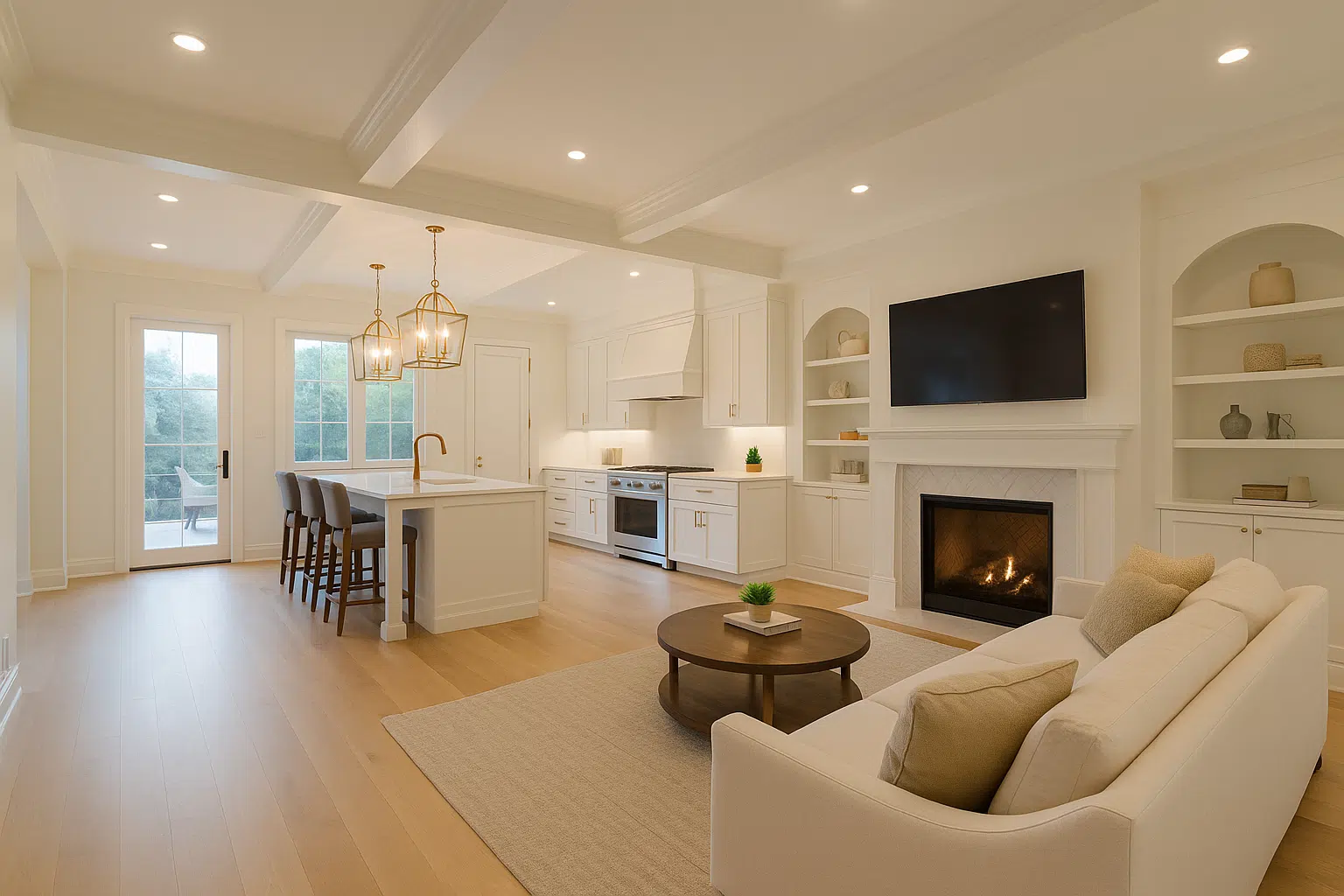
A house can look beautiful and still fight you every morning. Shoes pile up by the door, kitchen counters disappear under appliances, and the “extra” chair in the bedroom becomes a second closet by Tuesday. That is where smart home improvement tips start to matter: not as decoration advice, but as a way to make your home work with your real life instead of against it.
Across the USA, many homeowners are rethinking their spaces because daily routines have changed. Work happens at home. Kids study at the dining table. Groceries arrive in bulk. Older homes carry charm, but not always practical storage, easy movement, or room for modern habits. A few wise changes can make the same square footage feel calmer, more useful, and far less tiring. Good design does not have to shout. Often, the best upgrade is the one you stop noticing because it solved a problem so cleanly. For more practical home and lifestyle ideas, resources like smart living updates can help homeowners think beyond surface style and focus on everyday ease.
Interior Functionality Starts With How You Actually Move
A useful home begins with the paths people take every day. You can buy new furniture, repaint walls, or add shelves, but if the layout ignores movement, the room will keep feeling off. The first fix is rarely glamorous. It is usually about watching where life gets stuck and changing that one point before spending money elsewhere.
Why traffic flow matters more than room size
A small room with clear movement can feel better than a large room filled with obstacles. In many American homes, the living room becomes a pass-through, a play area, a TV zone, and a storage catchall at once. The issue is not always lack of space. More often, furniture blocks natural walking paths.
Start by walking through each room the way you do on a normal weekday. Notice where you turn sideways, where bags land, and where people bump into each other. That small moment of friction tells the truth. A sofa pushed six inches away from a doorway can change the whole mood of a room.
One family might discover that the coffee table causes half the chaos because everyone circles it to reach the kitchen. Another might find that an oversized sectional makes conversation feel cozy but daily movement feel cramped. The fix may be a narrow table, a round ottoman, or simply a better furniture angle. Less drama. More breathing room.
How to create zones without building walls
Open floor plans can look great in photos and still feel messy in daily life. When one big area has no clear purpose, everything spreads. Homework lands near dinner plates. Work papers sit beside toys. A room without zones becomes a room where nobody knows where anything belongs.
Use rugs, lighting, shelving, and furniture backs to create quiet boundaries. A reading chair with a floor lamp becomes a real corner. A slim console behind a sofa can separate the living area from a walkway. A dining bench with hidden storage can signal that the table is for eating, not permanent clutter.
The trick is to make each area answer one question: “What happens here?” When the answer is clear, people behave differently in the space. They put things closer to where those things belong. They move with less hesitation. The room starts coaching better habits without anyone announcing rules.
Storage Should Live Where the Mess Begins
Once movement feels smoother, storage becomes the next honest test. Many homes have storage, but it sits in the wrong places. A hall closet across the house will not save an entryway. A pantry shelf too high will not help a tired parent unloading groceries. Storage only works when it meets the mess at the source.
What makes everyday storage easier to maintain?
Good storage is visible enough to use and hidden enough to calm the room. That balance matters. If everything disappears behind deep cabinets, people forget what they own. If everything stays in the open, the home feels busy even after cleaning.
Entryways are the clearest example. A simple setup with hooks, a shoe tray, and a small basket for keys can beat a large closet that nobody opens. The same idea works in kitchens. Pull-out drawers often perform better than deep lower cabinets because you can see the full inventory without kneeling and digging.
Think in terms of reach. Daily items should sit between waist and eye level whenever possible. Seasonal items can go higher. Rarely used pieces can live farther away. This sounds almost too plain, but plain systems survive real life. Complicated systems look good once, then collapse.
Why built-ins are not always the best answer
Built-ins can add value, but they can also freeze a bad decision into the wall. A custom cabinet that stores the wrong items is not a solution. It is expensive furniture with better lighting. Before paying for permanent storage, test the idea with baskets, freestanding shelves, or temporary organizers for a few weeks.
A mudroom bench sounds perfect until you realize everyone drops backpacks in the kitchen. A dining room cabinet sounds helpful until school supplies keep moving back to the breakfast table. Let behavior guide the upgrade. Your home already shows you the pattern if you stop arguing with it.
That is the part many homeowners miss. The prettiest storage plan is not always the strongest one. The strongest one is the plan your household will use on a rushed Monday morning, with wet shoes, ringing phones, and someone asking where the charger went.
Better Lighting Makes Rooms Work Harder
After layout and storage, lighting decides whether a room feels helpful or half-finished. Poor lighting makes clean rooms feel dull and useful corners feel ignored. Better lighting does not mean flooding every room with brightness. It means putting the right kind of light where the task, mood, or movement needs support.
How layered lighting changes daily comfort
Most rooms need more than one light source. A single ceiling fixture throws light from above, but it rarely supports reading, cooking, dressing, or relaxing well. Layered lighting fixes that by combining general light, task light, and softer accent light.
In a kitchen, under-cabinet lighting helps more than a brighter ceiling bulb because it puts light on the counter where knives, cutting boards, and recipes sit. In a bedroom, lamps on both sides of the bed make the room easier to use for two people with different routines. In a living room, a table lamp can make evening reading possible without turning the whole space harsh.
This is one of those upgrades you feel before you explain. The room seems calmer. Corners stop looking forgotten. Tasks take less effort because your eyes are not working so hard. A practical lighting plan makes the home feel more generous.
Where natural light needs better control
Natural light is a gift until it creates glare, heat, or faded furniture. Many USA homes deal with strong sun in certain rooms during parts of the day, especially in warmer states. The answer is not always heavy curtains. Often, it is layered window control.
Use light-filtering shades where you want privacy without darkness. Add curtains where softness matters. In work areas, reduce glare before buying a new desk or monitor. A home office that faces a bright window can look inspiring at first, then become impossible at 2 p.m.
There is also a mood piece here. Morning light in a kitchen can help a routine feel better. Warm evening light in a family room can signal the day is slowing down. When lighting follows the rhythm of the household, the whole home feels more settled.
Durable Finishes Keep Function From Falling Apart
A home can function well for one weekend after a makeover. The real test comes six months later. Floors get scratched. Cabinet pulls loosen. Paint near light switches gets marked. Materials matter because daily life is not gentle, and pretending otherwise leads to repeat repairs.
Which surfaces hold up best in busy rooms?
Busy rooms need finishes chosen for use, not fantasy. In kitchens, satin or semi-gloss paint wipes cleaner than flat paint. In hallways, washable wall finishes can save you from repainting every time a backpack scrapes the corner. In family rooms, performance fabrics can handle spills better than delicate upholstery.
Flooring deserves the same honesty. Hardwood has warmth, but it may need more care in homes with pets, kids, or heavy foot traffic. Luxury vinyl plank, tile, and engineered wood can offer strong performance depending on the room and budget. The right choice depends on how the space lives, not how it photographs.
Countertops follow the same rule. A material that stains easily may frustrate someone who cooks every night. A more forgiving surface can make the kitchen feel usable instead of precious. Homes should be cared for, yes. They should not make people afraid to live in them.
How small hardware upgrades improve daily use
Hardware looks minor until it annoys you every day. Cabinet pulls that are hard to grip, drawer slides that stick, and door handles that feel awkward all create tiny moments of resistance. Those moments add up faster than people admit.
Replace weak hinges, loose knobs, and old drawer slides before chasing larger projects. Soft-close drawers can make a kitchen feel calmer. Lever handles can help children, older adults, and anyone carrying laundry or groceries. Even a better closet rod height can change how often that closet stays neat.
This is where home improvement tips become less about appearance and more about respect for daily effort. A good home reduces the number of small battles you fight before breakfast. It gives your routines a little grace.
Conclusion
The best homes are not the ones that look untouched. They are the ones that carry daily life without turning every habit into clutter, noise, or frustration. Start with movement, then fix storage where mess begins, improve lighting where tasks happen, and choose finishes that can handle real use. That order matters because it keeps you from decorating around problems that still remain.
Interior Functionality is not a luxury idea for design magazines. It is the difference between a house that drains your patience and a house that quietly supports you. You do not need to remodel every room at once. Pick the one spot that slows your day down the most, solve it with care, and let that win guide the next change. Make your home easier to live in before you make it easier to admire.
Frequently Asked Questions
What are the best home improvement ideas for small spaces?
Start with furniture placement, vertical storage, and better lighting. Small spaces need clear walking paths and items stored near where they are used. Avoid oversized furniture, deep clutter bins, and decorative pieces that steal useful surface area.
How can I make my home more functional without remodeling?
Rearrange furniture, add hooks, improve drawer organization, and change lighting before opening walls. Many function problems come from poor placement, not poor construction. Small changes often reveal whether a larger project is even worth the cost.
What room should I improve first for better daily living?
Choose the room that creates the most daily friction. For many homes, that is the kitchen, entryway, bathroom, or laundry area. Fixing a high-use space first gives you an immediate quality-of-life gain and helps guide future upgrades.
How do I add storage without making my home look crowded?
Use closed storage for visual clutter and open storage only for items that stay neat. Slim cabinets, under-bed drawers, wall shelves, and furniture with hidden compartments can add capacity without making rooms feel heavy or cramped.
What lighting upgrades make the biggest difference at home?
Add task lighting where you cook, read, work, dress, or apply makeup. Replace harsh single-source lighting with lamps, under-cabinet lights, and dimmers. Good lighting should support the activity in the room, not merely brighten the ceiling.
Are built-in shelves worth it for home organization?
Built-ins are worth it when they match proven habits and long-term needs. Test the storage plan first with temporary shelves or baskets. Permanent storage works best after you know exactly what needs a home and where people naturally use it.
How can I improve traffic flow in a living room?
Create clear paths between doorways, seating, and high-use areas. Pull furniture away from tight walkways, avoid oversized coffee tables, and use rugs to define zones. A room feels larger when people can move through it without hesitation.
What affordable upgrades help a home feel more practical?
Better hooks, drawer dividers, washable paint, stronger lighting, improved cabinet hardware, and entryway storage can change daily routines fast. These upgrades cost far less than major remodeling but often solve the problems homeowners notice most.