
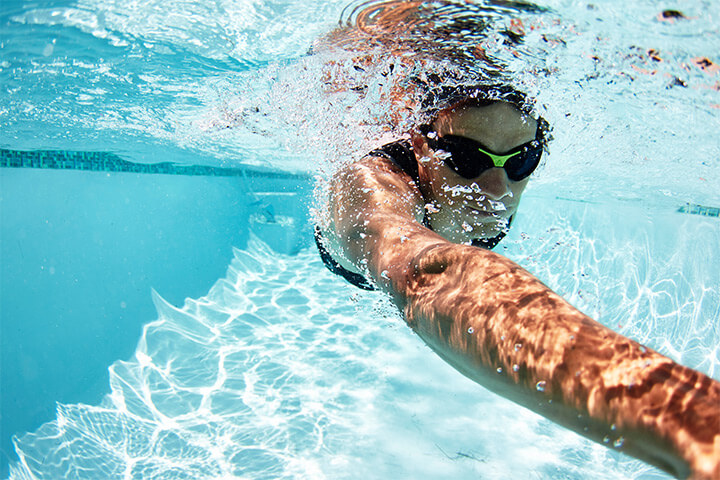
A pool can expose your fitness faster than a treadmill ever will. The water gives you no place to fake control, breath, posture, or effort, and that is exactly why Swimming Workout Plans can build such a complete training base for Americans who want strength without pounding their joints.
For busy adults, former athletes, parents, desk workers, and weekend fitness people, swimming solves a problem most gym routines create: it trains the body hard while staying kind to the knees, hips, and back. That balance matters when you want progress that does not leave you limping through the next workday. A smart swim routine also fits well beside running, cycling, lifting, or team sports because it builds stamina without stealing recovery.
Local fitness coverage often focuses on trends that burn bright and disappear, but lasting health comes from training you can repeat. That is why community wellness platforms such as active lifestyle reporting matter when people look for practical ways to move better. Swimming belongs in that conversation because it is not only exercise. It is breathing practice, resistance work, mobility training, and mental discipline wrapped into one clean session.
How Swimming Workout Plans Build Real Full-Body Strength
A good swim session does not feel like lifting weights, but your muscles know the truth. Water creates resistance in every direction, so the body has to press, pull, rotate, stabilize, and recover with each stroke. That makes pool training different from many land workouts, where one movement often isolates one area while the rest of the body waits its turn.
Why water resistance changes the way your body works
Water forces you to earn each inch. When you pull through the water during freestyle, your shoulders, lats, chest, core, and hips all have a job. Your legs are not simply kicking for speed either. They help keep the body aligned so your upper body does not waste energy fighting drag.
That hidden demand is what surprises many beginners at a YMCA lap pool or a neighborhood recreation center. They may think they are going in for light cardio, then realize after six steady laps that their back, ribs, glutes, and calves are all awake. Swimming does not shout like a heavy squat set. It whispers until the whole body is working.
The counterintuitive part is that slower swimming can build better strength than frantic swimming. A rushed stroke often slips through the water with poor grip. A controlled stroke catches more water, holds better shape, and makes every pull more valuable.
How each stroke trains a different chain of muscles
Freestyle gives you the cleanest base for conditioning because it blends rhythm, rotation, and steady breathing. Backstroke opens the chest and strengthens the rear shoulders, which helps people who spend long hours at laptops. Breaststroke works the inner thighs and hips in a way many standard gym moves miss.
Butterfly deserves respect, but not ego. It is powerful, demanding, and easy to overdo when your timing is off. For most everyday swimmers, short butterfly drills work better than long, messy lengths that punish the lower back.
A practical example is a 35-year-old office worker in Dallas who swims three mornings a week before work. Freestyle becomes the engine, backstroke fixes posture, and breaststroke adds hip work without a crowded weight room. That mix builds usable strength, not mirror strength.
Turning Pool Time Into Better Conditioning
Once the body understands the water, conditioning becomes the real prize. The mistake many swimmers make is treating every session like a long, slow survival test. That builds patience, but it does not always build better fitness. A better plan changes pace, distance, rest, and focus across the week.
How to structure swim intervals without burning out
Swim intervals work because they teach your heart, lungs, and muscles to recover while still moving with purpose. A simple set might include 8 rounds of 50 yards with 20 seconds of rest between each round. That sounds modest until your breathing starts telling the truth.
The trick is to keep the first few rounds controlled. Many swimmers attack the early laps, then spend the rest of the workout bargaining with the clock. That is not conditioning. That is poor pacing with wet hair.
Better interval work feels almost too calm at the start. Then it tightens. By the final few rounds, you should be working hard while still holding technique. That line matters because sloppy swimming trains sloppy movement.
Why endurance grows faster when recovery is planned
Rest is not wasted time in the pool. It is part of the workout. Short rest builds aerobic pressure, while longer rest lets you swim faster with cleaner form. Both have value, but they serve different goals.
A beginner might swim 25 yards, rest for 30 seconds, and repeat that pattern for 15 to 20 minutes. An intermediate swimmer might use 100-yard repeats with 15 seconds of rest. A stronger swimmer may alternate fast 50s with easy 50s to train speed and control in the same session.
One unexpected truth is that easy laps often make the hard laps better. They teach the body to clear tension without stopping completely. That skill carries into hiking, pickup basketball, rowing machines, and long workdays when your energy needs to last.
Building a Weekly Swim Routine That Fits Real Life
The best plan is not the hardest one on paper. It is the one you can repeat after a rough night of sleep, a late meeting, or a weekend of family errands. Americans do not need fantasy training schedules built for Olympic hopefuls. They need pool routines that work around school drop-off, commute traffic, and crowded lanes.
A simple three-day weekly pool schedule
A three-day swim week gives most people enough frequency to improve without making the pool feel like another job. Day one can focus on technique and steady freestyle. Day two can use intervals for conditioning. Day three can combine strokes, kicks, and longer relaxed swimming.
For example, Monday might include 10 minutes easy warm-up, 6 rounds of 50 yards at moderate pace, then 6 rounds of 25 yards focused on smooth breathing. Wednesday could be 12 rounds of 25 yards faster with full control. Saturday might be a longer mixed session with freestyle, backstroke, and kickboard work.
This kind of plan feels almost too simple, which is why it works. The body responds to repeatable pressure, not dramatic punishment. Miss one day, and you return without guilt. Hit all three, and the progress stacks.
How beginners and advanced swimmers should adjust volume
Beginners should measure success by consistency and calm breathing, not yardage. A new swimmer who completes 20 clean minutes in the pool has done more useful work than someone who thrashes through 800 yards with panic in every stroke. Clean movement comes first.
Advanced swimmers need a different warning. More laps can become junk volume when every session looks the same. Strong swimmers should rotate technique sets, threshold intervals, sprint work, and recovery swims so the body keeps adapting.
A high school parent in Phoenix training for general health may only need 1,200 yards per session. A former college swimmer in Boston may need 3,000 yards to feel challenged. Both can be right. Fitness is not a contest against someone in the next lane.
Making Swim Training Safer, Smarter, and Easier to Keep
The pool rewards patience, but it punishes carelessness. Shoulder irritation, neck strain, calf cramps, and breath panic often come from small mistakes repeated for weeks. The fix is not fear. The fix is better awareness before those issues become habits.
Why technique protects your shoulders and spine
Good technique starts with body position. Your head should stay calm, your hips should ride near the surface, and your rotation should come from the body instead of the neck. When swimmers lift the head too often to breathe, the hips sink and the shoulders take the bill.
Shoulder pain often begins when the hand crosses too far over the centerline during freestyle. That small error may not hurt on lap two, but it can grow into a problem by week six. Clean entry, relaxed recovery, and steady rotation protect the joint better than any fancy warm-up.
The strange part is that swimming harder rarely fixes poor form. It usually magnifies it. A patient swimmer who learns to move smoothly will often pass the stronger swimmer who fights the water like an enemy.
How to stay motivated when pool progress feels invisible
Pool progress can be hard to see because there are no dumbbells to add and no trail distance on a watch that feels impressive. That is why you need simple markers. Track how many laps you complete with calm breathing, how long you can hold form, and how quickly you recover between repeats.
Motivation also improves when your workouts have names and purposes. A “smooth technique day” feels different from a “fast interval day.” That small mental label gives the session a job before you even step onto the deck.
Swimming Workout Plans work best when they become part of your weekly identity, not a punishment after a bad meal or a panic move before summer. Keep the plan honest, repeat it with care, and let the water teach you what rushed fitness never can. Start with your next three pool sessions, write them down, and make the first lap clean enough to build from.
Frequently Asked Questions
How many days a week should beginners swim for conditioning?
Three days a week is a strong starting point for most beginners. It gives the body enough practice to improve breathing, rhythm, and stamina without creating shoulder fatigue. Start with short sessions, keep the pace controlled, and add distance only after your form stays steady.
What is the best swim workout for full-body fitness?
A balanced session should include an easy warm-up, freestyle intervals, kickboard work, backstroke, and a relaxed cool-down. This mix trains the upper body, core, hips, legs, and lungs without relying on one repeated motion for the whole workout.
Can swimming replace gym workouts for strength?
Swimming can build strong, useful muscle endurance, but it does not fully replace heavy strength training. It is excellent for shoulders, back, core, and conditioning. For maximum strength, pair swimming with basic resistance exercises like squats, rows, presses, and carries.
How long should a swimming workout last?
Most recreational swimmers do well with 30 to 45 minutes. Beginners may start with 20 minutes and still get a solid session. The quality of your laps matters more than the clock, especially when you are learning breathing and stroke control.
Is swimming good for weight loss and conditioning?
Swimming can support weight loss because it burns energy, builds muscle endurance, and reduces joint stress. Results still depend on food habits, workout consistency, and session effort. The biggest advantage is that many people can keep swimming longer than high-impact routines.
What swimming stroke is best for beginners?
Freestyle is usually the best starting stroke because it is efficient, adaptable, and easy to build into longer workouts. Backstroke is also helpful because breathing feels easier. Breaststroke can work well, but some people need to watch knee and hip comfort.
Why do I get tired so fast while swimming?
Most early fatigue comes from poor breathing, too much tension, or kicking too hard. Many beginners hold their breath without noticing, which makes each lap feel harder. Slow down, exhale underwater, relax your kick, and focus on smooth movement before speed.
Do I need equipment for swim workouts?
You can train well with no equipment, but a few tools help. Goggles are essential for comfort. A kickboard, pull buoy, and fins can add variety and support technique work. Keep equipment simple so it improves the workout instead of distracting from good form.